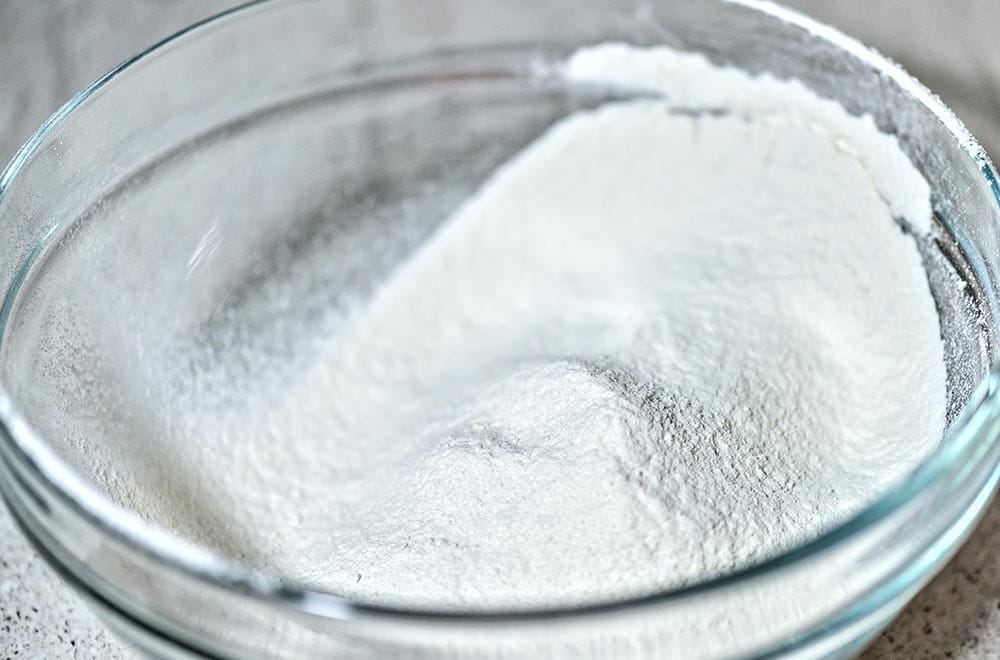
Thank you for reading the Haofang Chemical Industry Blog!
Shijiazhuang Haofang New Material Technology Co., Ltd. is a trusted manufacturer and exporter of chemical raw materials with over 20 years of industry experience. We supply HPMC, CMC, PAC, Sodium Formate, SLES 70%, Calcium Formate, and other industrial chemicals to customers worldwide.
For more industry insights, product updates, and application guides, follow us on:
Facebook: https://www.facebook.com/profile.php?id=61583148969186
YouTube: https://www.youtube.com/@HAOFANGChemicalIndustry
Thank you for your support, and we look forward to helping your business grow with reliable chemical solutions.
Table of Contents
Key Takeaways
- Understand advanced classification of titanium dioxide powder in global supply chains
- Learn rutile, anatase, and modified surface-coated technologies
- Explore real industrial performance data and application benchmarks
- Compare global standards (ISO, ASTM, REACH, GB)
- Analyze market demand across coatings, plastics, paper, and cosmetics
- Understand production process flow and cost structure
- Review sustainability trends and environmental regulations
- Evaluate procurement strategies for industrial buyers
Introduction
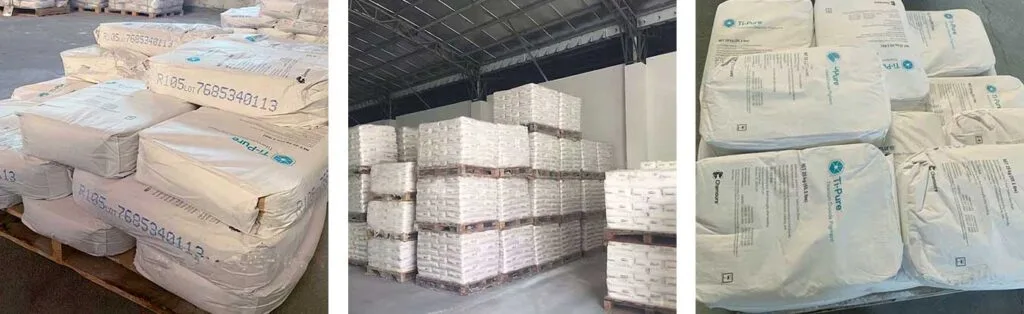
Titanium dioxide powder is one of the most important inorganic functional materials in modern manufacturing. With global consumption exceeding 6.5 million tons annually (industry estimate range 2024–2025), it plays a critical role in coatings, plastics, paper, ink, cosmetics, and advanced functional materials.
The performance of titanium dioxide is not uniform. Instead, it is determined by crystal structure, particle engineering, surface coating, and manufacturing purity. These differences lead to multiple titanium dioxide powder types, each designed for specific industrial applications.
Modern industries demand higher opacity, UV resistance, dispersion stability, and environmental compliance. As a result, titanium dioxide production has evolved into a highly engineered, standards-driven chemical industry.
Titanium Dioxide Powder Types: Global Classification System
Rutile Titanium Dioxide Powder (Industrial Standard Grade)
Rutile is the dominant global industrial grade, accounting for 70–80% of total TiO₂ consumption worldwide.
Physical and Performance Characteristics
- Refractive index: ~2.7
- High UV resistance
- Strong chemical stability
- Excellent hiding power
Industrial Advantages
- Long-term outdoor durability
- Anti-yellowing performance
- High weather resistance
Key Applications
- Architectural coatings
- Automotive paint systems
- Industrial plastics
- Marine coatings
Anatase Titanium Dioxide Powder (Brightness-Oriented Grade)
Anatase is widely used where optical brightness is more important than weather resistance.
Performance Characteristics
- Higher whiteness index
- Lower density than rutile
- Better dispersion in aqueous systems
Limitations
- Lower UV resistance
- Faster photodegradation under sunlight
Applications
- Paper coating industry
- Indoor paints
- Textile whitening
- Low-exposure plastics
Surface-Coated Titanium Dioxide Powder (Modified Functional Grade)
Surface engineering is now a core part of modern TiO₂ production.
Inorganic Coating Systems
Common coatings:
- SiO₂ (silica)
- Al₂O₃ (alumina)
Benefits:
- Improved weather resistance by 20–40%
- Enhanced dispersion stability
- Reduced photocatalytic activity
Organic Coating Systems
Used for polymer compatibility.
Benefits:
- Better processing flow
- Reduced agglomeration
- Improved melt dispersion
Titanium Dioxide Powder Types: Industry Performance Metrics
| Performance Metric | Rutile Grade | Anatase Grade | Coated Rutile |
|---|---|---|---|
| Whiteness Index | High | Very High | High |
| UV Resistance | Very High | Low | Very High |
| Dispersion | Medium | High | Very High |
| Cost Level | Medium-High | Low | High |
| Lifespan in Outdoor Use | 10–15 years | 2–5 years | 15+ years |
Titanium Dioxide Powder Types: Manufacturing Process Overview
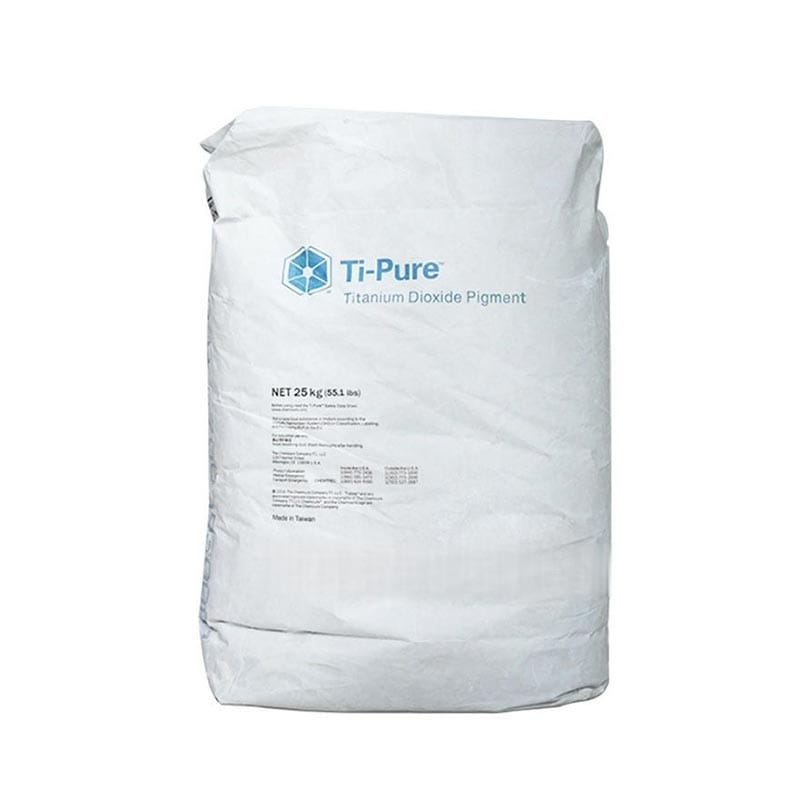
Chloride Process (Premium Rutile Production)
This process accounts for over 60% of high-end global TiO₂ production.
Steps:
- Chlorination of titanium ore
- Purification of TiCl₄
- Oxidation into TiO₂ particles
- Surface treatment
Advantages:
- Higher purity (>99%)
- Lower environmental residue
- Consistent particle size control
Sulfate Process (Traditional Production Method)
Still widely used in developing markets.
Steps:
- Sulfuric acid digestion
- Hydrolysis
- Calcination
- Milling and coating
Advantages:
- Lower cost
- Flexible raw materials
Disadvantages:
- Higher waste output
- More impurities
Titanium Dioxide Powder Types: Application Engineering
Coating Industry Performance Standards
Titanium dioxide improves:
- Light scattering efficiency
- Film opacity
- UV durability
In architectural coatings, TiO₂ can account for 15–25% of total paint formulation cost.
Plastic Industry Applications
Used in:
- PVC pipes
- Polyethylene films
- Engineering plastics
Key functions:
- UV stabilization
- Color uniformity
- Heat resistance enhancement
Paper Industry Optimization
TiO₂ improves:
- Brightness increase up to 15–20%
- Print clarity enhancement
- Surface smoothness
Titanium Dioxide Powder Types: Market Structure Analysis
Global Demand Distribution (Industry Estimate)
- Coatings: ~55%
- Plastics: ~25%
- Paper: ~10%
- Others (cosmetics, inks): ~10%
Regional Market Overview
- Asia-Pacific: Fastest growth region
- Europe: High regulation + premium demand
- North America: Stable industrial consumption
- Middle East: Infrastructure-driven demand
Titanium Dioxide Powder Types: Standards and Compliance
ISO Standards
- ISO 591 (Titanium dioxide specification)
- Particle size distribution control
- Purity classification systems
REACH Compliance (EU)
Regulates:
- Heavy metal limits
- Environmental toxicity
- Worker exposure safety
ASTM Standards (USA)
Focus on:
- Optical performance
- Coating behavior
- Material consistency
Titanium Dioxide Powder Types: Environmental and Safety Trends
Photocatalytic Activity Control
Excess TiO₂ photocatalysis can degrade polymers.
Modern coatings reduce:
- Free radical formation
- Surface degradation
Environmental Regulations Impact
Global restrictions are pushing:
- Low-emission production systems
- Waste acid recycling
- Energy-efficient calcination
Titanium Dioxide Powder Types: Case Studies
Case Study 1: Automotive Coating Upgrade
A European automotive supplier switched to coated rutile TiO₂.
Results:
- 30% improvement in UV resistance
- 18% longer coating lifespan
- Reduced repaint frequency
Case Study 2: Plastic Film Industry Optimization
A packaging manufacturer adopted high-dispersion rutile TiO₂.
Outcomes:
- 25% improvement in film opacity
- 12% reduction in material usage
- Better color consistency
Titanium Dioxide Powder Types: Procurement Strategy Guide
Key Buying Factors
- Crystal type (rutile vs anatase)
- Surface treatment
- Particle size distribution
- Purity level
- Application compatibility
Cost Structure Breakdown
- Raw materials: 30–40%
- Processing: 25–30%
- Energy consumption: 15–20%
- Surface treatment: 10–15%
- Logistics: 5–10%
Titanium Dioxide Powder Types: Advanced Technical Parameters (Extended Engineering Data)
Particle Size Distribution (PSD) Control
Particle size is one of the most critical performance indicators of titanium dioxide powder.
Typical industrial ranges:
- Primary particle size: 0.15–0.35 μm
- Aggregation level: controlled via milling process
- Uniformity index: ≥ 85% (high-grade rutile systems)
Why PSD Matters
Smaller and more uniform particles improve:
- Light scattering efficiency
- Opacity performance
- Dispersion stability in polymers
Poor PSD control can lead to:
- Color inconsistency
- Reduced hiding power
- Increased material consumption
Oil Absorption and Surface Activity
Titanium dioxide powders interact differently depending on surface energy.
Typical values:
- Rutile grade: 18–25 g/100g oil absorption
- Anatase grade: 20–30 g/100g oil absorption
Higher oil absorption increases:
- Binder demand in coatings
- Viscosity control complexity
Photocatalytic Activity Index
Excess photocatalysis can damage organic matrices.
Modern coated TiO₂ reduces:
- Free radical generation by up to 70%
- Polymer degradation rate significantly
This is critical for:
- Automotive coatings
- Outdoor plastics
- Long-life architectural materials
Titanium Dioxide Powder Types: Global Supply Chain Structure
Upstream Raw Material Sources
Titanium dioxide production depends on:
- Ilmenite ore (FeTiO₃)
- Rutile mineral (natural or synthetic)
Major producing countries:
- Australia
- China
- South Africa
- Canada
Midstream Processing Industry
This stage includes:
- Ore refining
- Chloride or sulfate conversion
- Calcination and milling
- Surface treatment engineering
Industrial concentration is increasing, with top global producers controlling over 65% of supply capacity.
Downstream Application Industries
Final consumption flows into:
- Coatings manufacturing
- Polymer compounding
- Paper coating systems
- Masterbatch production
- Specialty chemical industries
Titanium Dioxide Powder Types: Regional Cost & Price Structure Analysis
Price Sensitivity by Grade
| Grade Type | Price Volatility | Market Sensitivity |
|---|---|---|
| Rutile | Medium | High demand stability |
| Anatase | Low | Cost-driven markets |
| Coated Rutile | High | Premium industries |
Energy Consumption Factor
Production energy intensity:
- Chloride process: 9,000–11,000 MJ/ton
- Sulfate process: 12,000–14,000 MJ/ton
Energy efficiency improvements are now a key competitive advantage.
Titanium Dioxide Powder Types: Application Performance Optimization
Coating Formulation Engineering
TiO₂ is not used alone but integrated into systems containing:
- Resins
- Solvents
- Additives
- Fillers
Typical formulation ratio:
- Titanium dioxide: 15–35%
- Binder system: 20–40%
- Fillers: 25–50%
Plastic Masterbatch Optimization
In plastics, TiO₂ improves:
- UV resistance
- Mechanical stability
- Color consistency
Common dosage:
- 2%–6% in general plastics
- Up to 8% in engineering plastics
Paper Coating Enhancement Systems
Key performance improvements:
- Brightness increase: +15% to +25%
- Print sharpness improvement: +30%
- Ink absorption control
Titanium Dioxide Powder Types: Industry Innovation Trends
Nano-Engineered Titanium Dioxide
Nano-scale TiO₂ (<100 nm) is increasingly used in:
- Photocatalysis
- Self-cleaning surfaces
- UV-blocking coatings
Advantages:
- High surface reactivity
- Enhanced optical performance
Challenges:
- Agglomeration control
- Regulatory restrictions in some regions
Low-Carbon Manufacturing Transformation
New production trends focus on:
- Carbon emission reduction by 20–35%
- Closed-loop acid recovery systems
- Waste minimization technologies
Digital Quality Control Systems
Modern factories adopt:
- AI particle size monitoring
- Real-time spectrophotometry
- Automated coating control systems
This improves batch consistency by up to 40%.
Titanium Dioxide Powder Types: Industry Risk Analysis
Supply Chain Risk Factors
- Ore price fluctuation
- Energy cost volatility
- Environmental regulation tightening
- Transport and logistics disruption
Technical Risk Factors
- Particle agglomeration
- Coating instability
- UV degradation sensitivity
- Dispersion inconsistency
Titanium Dioxide Powder Types: Procurement Optimization Strategy
High-Level Procurement Model
Industrial buyers now use a 3-layer decision system:
- Technical evaluation (performance testing)
- Cost-performance analysis
- Supply stability assessment
Long-Term Contract Strategy
Large manufacturers often adopt:
- Annual volume agreements
- Multi-source procurement systems
- Regional warehouse distribution
This reduces:
- Supply risk
- Price volatility exposure
- Production downtime
Quality Inspection Protocol (Industrial Standard)
Before shipment, typical QC includes:
- Brightness testing (ISO 2470)
- Particle size analysis (laser diffraction)
- Moisture content control
- Surface coating verification
Titanium Dioxide Powder Types: Future Industry Outlook (2026+)
Market Growth Forecast
Global demand is expected to grow at:
- 3.5%–5.2% CAGR (industry estimate range)
Driven by:
- Construction expansion
- Automotive coatings demand
- Packaging industry growth
Key Technology Directions
- High-dispersion TiO₂ systems
- Eco-friendly sulfate replacement processes
- Functional surface engineering
- Multi-layer coating structures
Industry Consolidation Trend
The market is moving toward:
- Fewer but larger producers
- Higher technical barriers
- Stronger compliance requirements
Conclusion
The global titanium dioxide powder industry is shifting toward:
- Higher purity production
- Advanced surface engineering
- Low-carbon manufacturing
- Application-specific customization
Understanding titanium dioxide powder types is essential for optimizing performance, cost efficiency, and regulatory compliance across industries.
As global demand continues to rise, especially in coatings and plastics, TiO₂ will remain a core functional material in modern industrial systems.
FAQ
What are the main titanium dioxide powder types?
Rutile, anatase, and surface-coated modified grades.
Which TiO₂ type is best for outdoor coatings?
Rutile or coated rutile is best due to UV stability.
Why is anatase still widely used?
Because it offers higher brightness at lower cost.
What is coated titanium dioxide?
It is TiO₂ treated with silica or alumina for improved durability.
Is titanium dioxide environmentally safe?
It is safe under regulated industrial use, but emissions must be controlled.
Need High-Quality Titanium Dioxide Powder Supply?
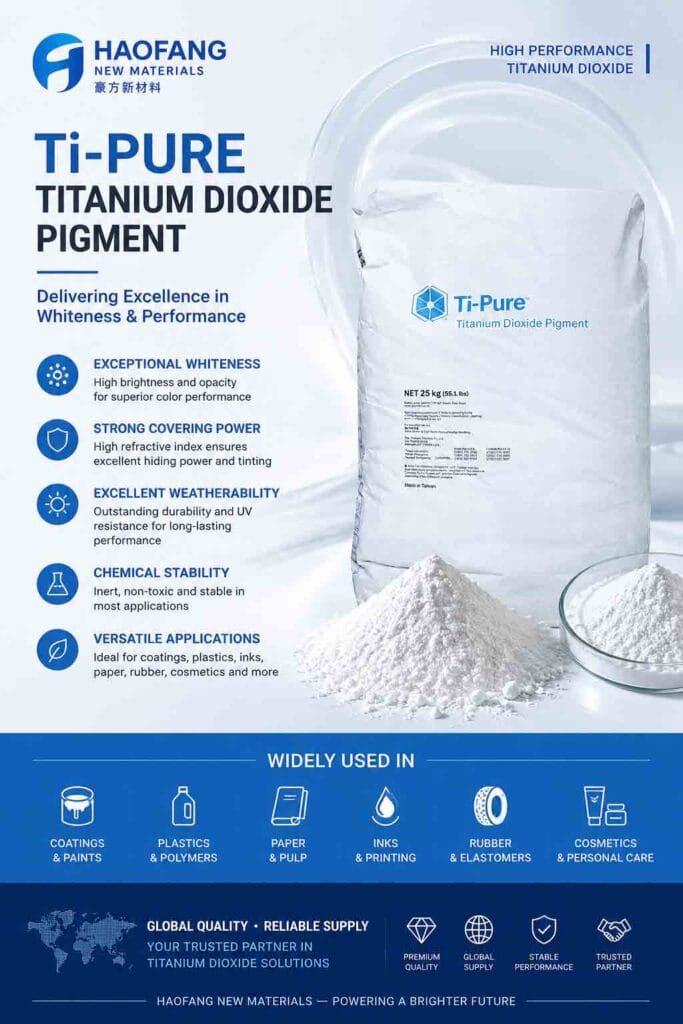
For industrial buyers, selecting the right titanium dioxide grade ensures:
- Higher product durability
- Better optical performance
- Lower lifecycle cost
- Stable production quality
If you need OEM or bulk supply, professional-grade TiO₂ with stable batch consistency and global compliance is essential for long-term manufacturing success.