Thank you for reading the Haofang Chemical Industry Blog!
Shijiazhuang Haofang New Material Technology Co., Ltd. is a trusted manufacturer and exporter of chemical raw materials with over 20 years of industry experience. We supply HPMC, CMC, PAC, Sodium Formate, SLES 70%, Calcium Formate, and other industrial chemicals to customers worldwide.
For more industry insights, product updates, and application guides, follow us on:
Facebook: https://www.facebook.com/profile.php?id=61583148969186
YouTube: https://www.youtube.com/@HAOFANGChemicalIndustry
Thank you for your support, and we look forward to helping your business grow with reliable chemical solutions.
Table of Contents
Key Takeaways
- Understanding chemical raw material classification is essential before purchasing
- Different industries require different material performance standards
- Supplier qualification is more important than price comparison
- Product applications determine purity, viscosity, and stability requirements
- Quality control systems reduce production risk and inconsistency
- Proper storage and transportation ensure long-term material stability
Introduction
In modern industrial production, chemical raw material plays a critical role in determining product quality, stability, and end-use performance. Whether used in construction, detergents, oil drilling, food processing, or personal care industries, selecting the right material directly impacts efficiency and safety.
However, sourcing chemical raw material safely is not only about finding a low-cost supplier. It requires a structured evaluation of product quality, application compatibility, regulatory compliance, and supply chain reliability.
This guide explains how global buyers can safely source chemical raw material while ensuring consistent performance and long-term supply stability.
What Is Chemical Raw Material in Industrial Applications
Chemical raw material refers to basic industrial substances used in manufacturing formulations, processing systems, and end products. These materials are not final products but functional components that determine performance.
Core Characteristics
Purity and Stability
Chemical raw materials must maintain stable chemical composition to ensure predictable performance in industrial systems. Even small variations can affect viscosity, reaction speed, or product durability.
Functional Performance
Each material is designed for specific functions such as thickening, water retention, lubrication, or foam generation.
Industry Adaptability
Different industries require different grades of chemical raw material, including industrial grade, construction grade, and food grade.
Major Industrial Categories of Chemical Raw Material
Chemical raw material is widely used across multiple industries, each with unique technical requirements.
Construction Industry Materials
Includes additives that improve cement and mortar performance.
Hydroxypropyl Methylcellulose (HPMC)
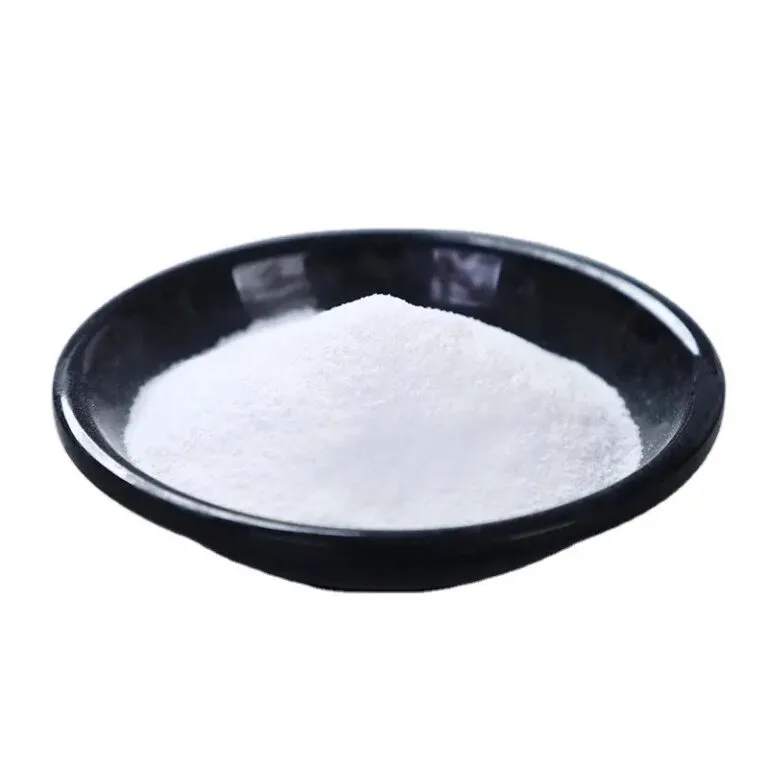
Used in construction mortar systems to improve water retention and workability.
Calcium Formate
Acts as a concrete early strength accelerator and setting modifier.
Application Example
- Construction Mortar formulation improvement
- Tile adhesive performance optimization
Detergent and Personal Care Materials
Cellulose Ether for Detergents
Improves viscosity and stabilizes liquid detergent systems.
Sodium Laureth Sulfate (SLES 70%)

A key foaming agent widely used in shampooing and washing formulations.
Application Areas
- Washing liquids
- Shampoo systems
- Personal care emulsions
Oil Drilling and Industrial Fluids
Sodium Carboxymethyl Cellulose (CMC-HV & LV)
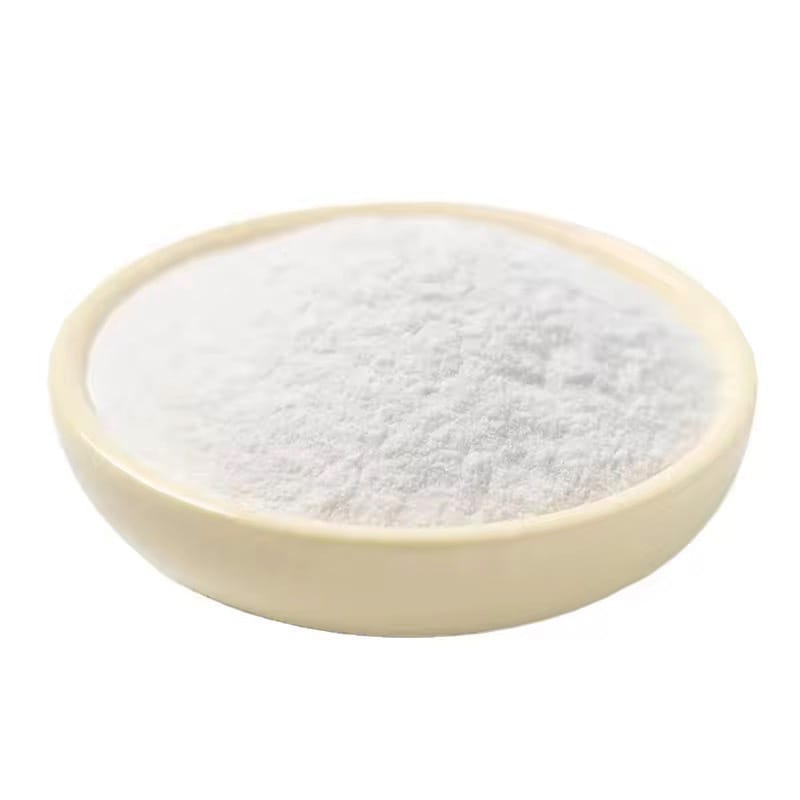
Used for viscosity control and fluid stabilization in drilling operations.
Polyanionic Cellulose (PAC-HV & LV)
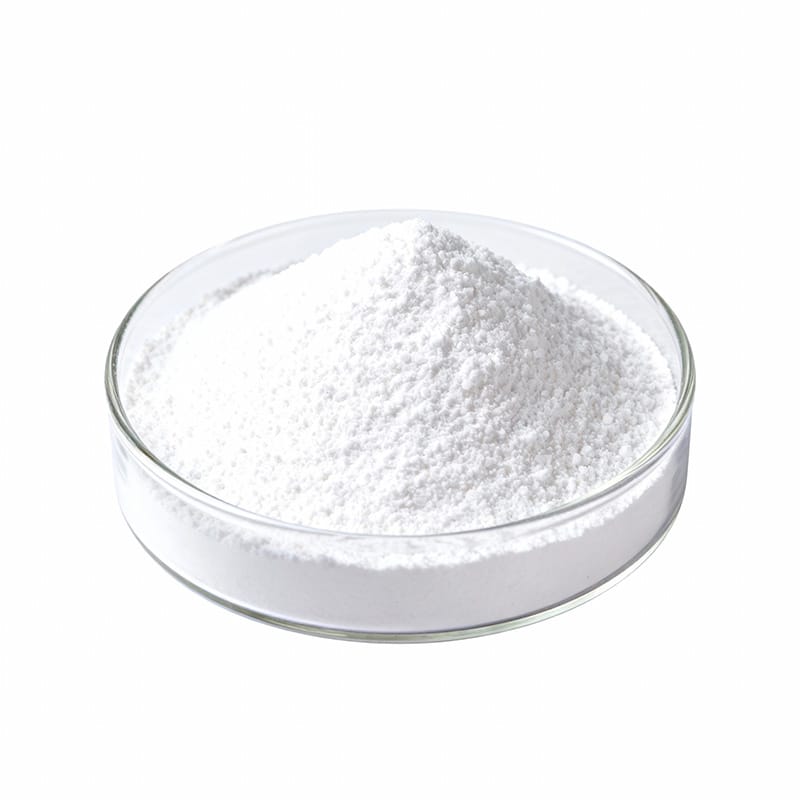
Acts as a fluid loss reducer and viscosity modifier in drilling fluids.
Functional Roles
- Fluid loss control
- Rheology adjustment
- Wellbore stability improvement
Chemical Support Materials
Sodium Formate
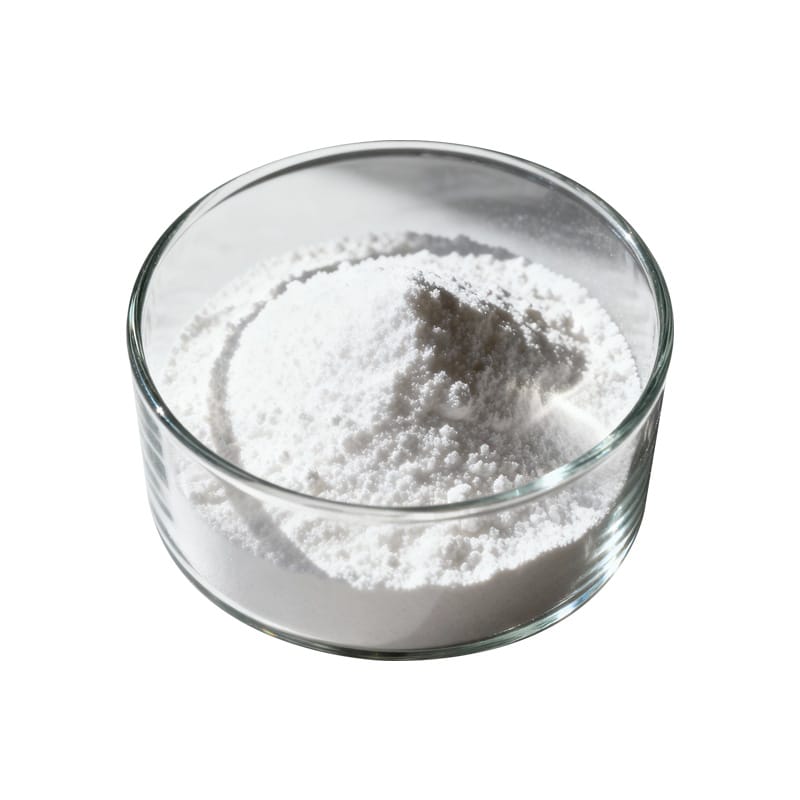
Widely used in drilling fluids, leather processing, de-icing, and industrial chemical systems.
Product Application Mapping Overview
| Product | Industry | Main Function |
|---|---|---|
| HPMC | Construction | Water retention, thickening |
| CMC | Food / Drilling / Paper | Stabilizer, viscosity control |
| PAC | Oil Drilling | Fluid loss control |
| Sodium Formate | Industrial / De-icing | Stabilization, antifreeze |
| SLES 70% | Detergent / Personal Care | Foaming agent |
| Calcium Formate | Construction / Feed | Setting accelerator |
Understanding Chemical Raw Material Selection Logic
Technical Compatibility
Each chemical raw material must match the formulation system it is used in. For example, construction-grade additives cannot be directly replaced with food-grade materials.
Performance Requirements
Different applications require different functional priorities:
- Construction → strength & stability
- Detergent → foam & viscosity
- Drilling → fluid control
- Food → safety & purity
Regulatory Compliance
Industrial buyers must ensure compliance with regional standards such as REACH, ISO, or FDA (for food-related applications).
Supplier Evaluation Concept
Choosing a supplier is as important as selecting the product itself.
Production Capability
A reliable manufacturer must maintain stable production systems and consistent batch quality.
Export Experience
Global supply experience ensures better logistics handling and documentation support.
Technical Support
Professional suppliers provide formulation guidance and application optimization.
How to Choose Chemical Raw Material Safely
Safe sourcing of chemical raw material requires a structured evaluation process rather than simple price comparison. Buyers must focus on performance stability, application compatibility, and supplier reliability.
Technical Specification Matching
Purity Grade Selection
Different industries require different purity levels of chemical raw material. For example, construction materials prioritize stability, while food applications require strict safety compliance.
Viscosity and Function Control
Viscosity directly affects performance in systems such as detergents, drilling fluids, and construction mortar. Selecting the wrong grade can lead to system failure or unstable formulation.
Application Environment
Temperature, humidity, and chemical interaction conditions must be considered before selection.
Key Chemical Raw Material Product Breakdown

Hydroxypropyl Methylcellulose (HPMC)
HPMC is a widely used functional chemical raw material in construction systems.
Main Functions
- Water retention improvement
- Workability enhancement
- Anti-sagging performance
Application
- Construction Mortar
- Tile adhesive systems
- Wall putty formulations
Sodium Carboxymethyl Cellulose (CMC-HV & LV)
CMC is a versatile chemical raw material used across multiple industries.
Key Variants
- CMC-HV: High viscosity grade
- CMC-LV: Low viscosity grade
Application Fields
- Washing products
- Food stabilization systems
- Drilling fluid control
- Paper making processing
Polyanionic Cellulose (PAC-HV & LV)
PAC is a high-performance drilling-grade chemical raw material.
Functional Advantages
- Fluid loss reduction
- Viscosity modification
- Wellbore stability improvement
Application
- Oil drilling mud systems
- Industrial fluid engineering
Sodium Formate
Sodium Formate is a multifunctional industrial chemical raw material.
Application Areas
- Drilling fluid systems
- Leather processing
- De-icing systems
- Industrial chemical manufacturing
Sodium Laureth Sulfate (SLES 70%)
SLES is a key foaming chemical raw material widely used in cleaning formulations.
Functions
- Strong foaming ability
- Good emulsification
- Cleaning performance enhancement
Application
- Shampoo production
- Liquid washing detergents
- Personal care formulations
Calcium Formate
Calcium Formate is an important construction and feed-grade chemical raw material.
Main Uses
- Concrete early strength accelerator
- Setting time adjustment
- Feed and leather additive systems
Comparison Table: High Viscosity vs Low Viscosity Materials
| Feature | High Viscosity (HV) | Low Viscosity (LV) |
|---|---|---|
| Flow Behavior | Thick, stable structure | Fast dispersion |
| Application | Drilling, construction | Paper, detergents |
| Performance Focus | Stability | Fluidity |
| Cost Efficiency | Medium to high | More economical |
| Typical Products | CMC-HV, PAC-HV | CMC-LV, PAC-LV |
Chemical Raw Material Quality Control System
Batch Consistency Testing
Each production batch must maintain stable performance indicators to ensure uniform application results.
Laboratory Performance Testing
Key Parameters
- Viscosity stability
- pH balance
- Moisture content
- Solubility behavior
Industrial Simulation Testing
Chemical raw material is tested under real application conditions such as drilling fluid systems or detergent formulations.
Supplier Qualification Checklist
Production Capability
A reliable supplier must have stable production capacity and long-term supply assurance.
Export Documentation Ability
Proper export documentation ensures smooth international logistics and customs clearance.
Technical Support System
Strong suppliers provide formulation guidance and troubleshooting support for different industries.
Chemical Raw Material Storage and Transportation Safety
Proper storage and transportation are critical to maintaining the performance stability of chemical raw material. Even high-quality materials may degrade if environmental conditions are not properly controlled.
Storage Environment Requirements
Temperature Control
Chemical raw material should be stored in a dry and stable temperature environment. Extreme heat or humidity can affect viscosity and chemical stability.
Moisture Protection
Most powdered or granular materials are sensitive to moisture absorption. Proper sealing and humidity control are essential.
Light Exposure Prevention
Some chemical raw material products may degrade under long-term light exposure, especially in transparent packaging.
Packaging Protection Systems
Multi-Layer Packaging
Multi-layer packaging helps isolate chemical raw material from external contamination and improves shelf stability.
Sealed Container Design
Air-tight packaging prevents oxidation and moisture absorption during storage and transport.
Labeling Control
Clear labeling ensures correct identification and reduces operational errors in industrial use.
Industry Standards for Chemical Raw Material

ISO Quality Management System
ISO standards ensure consistent production processes and quality control systems for chemical raw material manufacturing.
REACH Compliance
REACH regulations are especially important for European markets, ensuring safe chemical handling and environmental protection.
Industrial Grade vs Food Grade
Industrial Grade
Used in construction, drilling, detergents, and manufacturing processes where safety thresholds differ.
Food Grade
Requires strict purity and safety compliance for human consumption applications such as food additives and supplements.
Application Deep Dive by Industry
Construction Industry Applications
Chemical raw material plays a key role in improving cement-based systems.
Example Products
- HPMC
- Calcium Formate
Function Overview
These materials improve water retention, accelerate curing, and enhance workability in construction mortar systems.
Oil Drilling Industry Applications
Example Products
- PAC-HV & LV
- CMC-HV
Functional Roles
- Fluid loss control
- Viscosity stabilization
- Drilling efficiency improvement
Detergent and Cleaning Industry
Example Products
- SLES 70%
- Cellulose Ether for Detergents
Performance Benefits
These chemical raw material products enhance foam stability, cleaning power, and formulation consistency.
Food and Paper Industry Applications
Example Products
- CMC (Food Grade)
Key Functions
- Thickening agent
- Stabilizer
- Texture improvement
Leather and Industrial Processing
Example Products
- Sodium Formate
- Calcium Formate
Application Benefits
- pH control
- Processing efficiency improvement
- Material stabilization
Comparison Table: Industrial Grade vs Food Grade Chemical Raw Material
| Feature | Industrial Grade | Food Grade |
|---|---|---|
| Safety Requirement | Standard industrial safety | High purity & strict compliance |
| Application Scope | Construction, drilling, detergent | Food, beverages, supplements |
| Cost Level | Lower | Higher |
| Regulatory Control | Basic compliance | Strict international standards |
| Example Products | PAC, Sodium Formate | CMC (Food Grade) |
Common Buying Mistakes in Chemical Raw Material Sourcing
Focusing Only on Price
Low price often leads to unstable quality and inconsistent batch performance.
Ignoring Application Compatibility
Not all chemical raw material products are interchangeable between industries.
Lack of Supplier Verification
Failing to verify supplier capability may lead to supply chain instability.
Overlooking Technical Support
Without technical guidance, formulation optimization becomes difficult.
Advanced Selection Strategy for Chemical Raw Material
Selecting chemical raw material in industrial procurement requires a structured decision-making system that balances performance, cost, and long-term stability.
Performance-Driven Selection
Function Priority Mapping
Different industries prioritize different performance indicators:
- Construction → water retention & strength
- Detergents → foam & cleaning efficiency
- Drilling → fluid control & stability
- Food → safety & purity
Formulation Compatibility
Chemical raw material must integrate smoothly into existing formulations without causing instability or phase separation.
Cost vs Stability Balance
Low-Cost Risk
Cheaper materials may reduce short-term procurement cost but increase production inconsistency risk.
Stability Value
Stable chemical raw material ensures consistent batch quality, reducing waste and reprocessing costs.
Risk Control System in Chemical Raw Material Procurement
Supplier Risk Evaluation
Production Stability Check
A reliable supplier should maintain consistent production capacity and batch uniformity.
Export Experience Assessment
Global logistics experience ensures fewer shipping delays and documentation issues.
Technical Support Capability
Strong technical teams help solve formulation and application problems efficiently.
Quality Risk Prevention
Incoming Inspection
Every batch of chemical raw material should be tested before production use.
Sample Verification
Pre-shipment samples help confirm performance consistency before bulk order.
Application Simulation
Testing under real production conditions reduces unexpected failures.
Multi-Factor Decision Framework
Key Decision Indicators
- Purity level
- Viscosity performance
- Application compatibility
- Supplier reliability
- Long-term supply stability
Comparison Table: Performance vs Cost vs Stability
| Factor | High Performance Grade | Low Cost Grade | Balanced Grade |
|---|---|---|---|
| Stability | Very High | Low to Medium | High |
| Cost Efficiency | Low | High | Medium |
| Application Risk | Low | High | Low |
| Industrial Suitability | Wide | Limited | Wide |
| Long-Term Value | Strong | Weak | Strong |
Chemical Raw Material Procurement Workflow
Step 1: Requirement Definition
Clearly define industry application, performance needs, and regulatory requirements.
Step 2: Supplier Shortlisting
Evaluate suppliers based on production capacity and export capability.
Step 3: Sample Testing
Test chemical raw material under real application conditions.
Step 4: Bulk Verification
Confirm consistency before scaling production orders.
Step 5: Long-Term Cooperation
Establish stable supply agreements for continuous production needs.
Industry Insight: Why Stability Matters More Than Price
In industrial production, unstable chemical raw material can lead to:
- Batch inconsistency
- Production downtime
- Increased defect rate
- Higher long-term cost
Stable supply ensures predictable manufacturing performance and stronger market competitiveness.
Buyer Decision Checklist
- Does the product meet your application requirements?
- Is the viscosity or purity consistent across batches?
- Can the supplier provide technical documentation?
- Is the supply chain stable for long-term orders?
- Does the material comply with industry regulations?
FAQ
What is chemical raw material used for?
Chemical raw material is used as the base ingredient in industrial manufacturing processes. It is applied in construction, detergents, drilling fluids, food processing, and personal care products.
How do I choose safe chemical raw material?
Safe selection depends on application compatibility, purity level, supplier reliability, and compliance with industrial or food-grade standards.
What is the difference between HPMC and CMC?
HPMC is mainly used in construction systems for water retention and workability, while CMC is widely used in detergents, food, drilling, and paper industries for viscosity control.
Is PAC better than CMC in drilling applications?
PAC generally offers better fluid loss control and stability in drilling fluids, while CMC provides broader multi-industry applications.
What industries use Sodium Formate?
Sodium Formate is used in drilling, leather processing, de-icing systems, and various industrial chemical applications.
Why is SLES 70% important in detergents?
SLES 70% is a key foaming and cleaning agent widely used in shampoo, liquid detergent, and personal care formulations.
What is Calcium Formate used for?
Calcium Formate is used as a concrete early strength accelerator and also as an additive in feed and leather industries.
How can I ensure chemical raw material quality?
Quality can be ensured through batch testing, supplier verification, laboratory analysis, and application simulation testing.
Conclusion
Sourcing chemical raw material safely is not only a procurement process but also a technical decision that directly affects product performance, production efficiency, and long-term stability.
By understanding material functions, comparing application requirements, and selecting qualified suppliers, buyers can significantly reduce production risks and improve industrial outcomes.
Whether your industry involves construction mortar, detergent formulation, oil drilling systems, food processing, or personal care products, choosing the right chemical raw material ensures consistent quality and reliable performance.
Final Procurement Insight
A successful sourcing strategy is based on three core principles:
- Stability over price
- Compatibility over availability
- Long-term value over short-term savings
Call to Action
If you are looking for a reliable supplier of high-quality chemical raw material, professional technical support, and stable global supply, our team is ready to assist you.
We provide a full range of industrial chemical solutions including:
- HPMC for Construction Mortar
- CMC for Washing, Food, Drilling, Paper Making
- PAC for Fluid Loss Control
- Sodium Formate for Industrial Applications
- SLES 70% for Detergents and Personal Care
- Calcium Formate for Construction and Feed Industry
Contact us today to get technical data sheets, samples, and professional recommendations tailored to your application.