Thank you for reading the Haofang Chemical Industry Blog!
Shijiazhuang Haofang New Material Technology Co., Ltd. is a trusted manufacturer and exporter of chemical raw materials with over 20 years of industry experience. We supply HPMC, CMC, PAC, Sodium Formate, SLES 70%, Calcium Formate, and other industrial chemicals to customers worldwide.
For more industry insights, product updates, and application guides, follow us on:
Facebook: https://www.facebook.com/profile.php?id=61583148969186
YouTube: https://www.youtube.com/@HAOFANGChemicalIndustry
Thank you for your support, and we look forward to helping your business grow with reliable chemical solutions.
Table of Contents
Introduction

For global chemical buyers, understanding Sodium Sulfate Anhydrous price is not only about checking a quotation. Behind every price change is a complex system involving raw material availability, production technology, energy costs, transportation conditions, industrial demand, and supplier capability.
As a widely used inorganic chemical material, Sodium Sulfate Anhydrous plays an important role in modern manufacturing industries. From detergent production and glass manufacturing to textile processing and chemical synthesis, this material provides stable performance, excellent solubility, and cost advantages for large-scale industrial applications.
However, many purchasing managers often face several questions:
- Why do different suppliers offer different Sodium Sulfate Anhydrous prices?
- Is a lower quotation always a better choice?
- How do purity, packaging, and order volume affect the final cost?
- What factors should international buyers consider before placing bulk orders?
This comprehensive guide explains the major factors affecting Sodium Sulfate Anhydrous price, helping industrial buyers better understand market conditions, evaluate suppliers, and optimize procurement strategies.
In This Guide You Will Learn:
- The basic properties and industrial importance of Sodium Sulfate Anhydrous
- Main factors influencing Sodium Sulfate Anhydrous price
- How production processes affect manufacturing costs
- Differences between industrial grade and high purity products
- How global supply and demand impact market pricing
- How to select a reliable Sodium Sulfate Anhydrous supplier
- Practical methods to reduce purchasing costs
What Is Sodium Sulfate Anhydrous?
Basic Definition of Sodium Sulfate Anhydrous
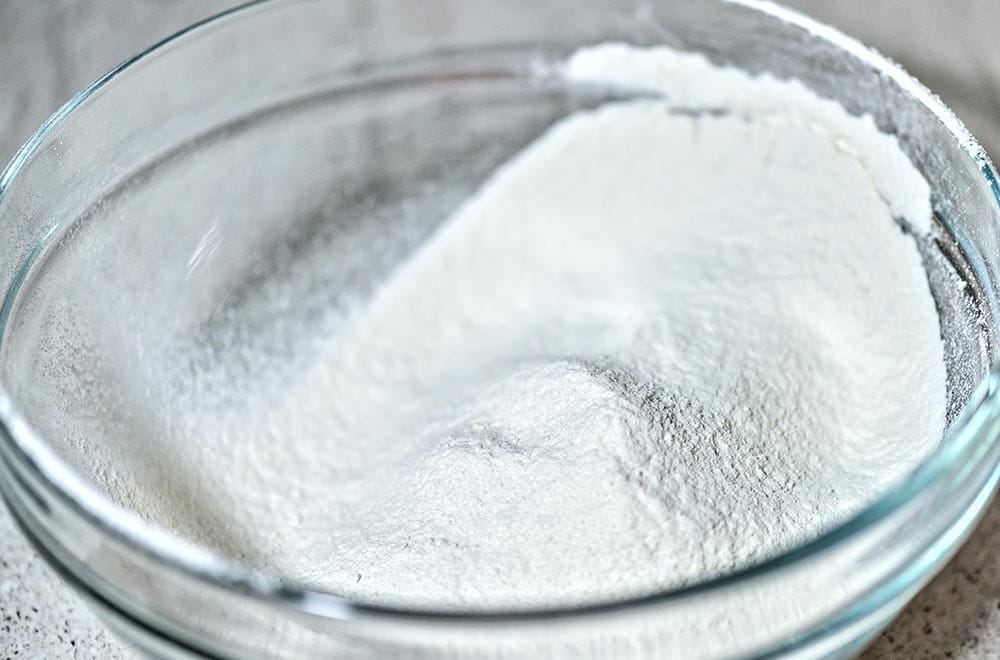
Sodium Sulfate Anhydrous is an inorganic sodium salt with the chemical formula Na₂SO₄. It appears as a white crystalline powder or granules and contains no crystal water, which distinguishes it from hydrated sodium sulfate forms.
Because of its stable chemical structure, this material maintains reliable performance during storage, transportation, and industrial processing.
Sodium Sulfate Anhydrous is commonly recognized as an important industrial auxiliary material due to its:
- High chemical stability
- Good water solubility
- Low impurity content
- Cost-effective performance
- Compatibility with various industrial formulations
Key Physical and Chemical Properties
The properties of Sodium Sulfate Anhydrous directly influence its applications and market value.
| Property | Typical Specification |
|---|---|
| Chemical Formula | Na₂SO₄ |
| Appearance | White crystalline powder or granules |
| Molecular Weight | 142.04 g/mol |
| Purity | ≥99% |
| Moisture Content | ≤0.20% |
| Water Insoluble Matter | ≤0.05% |
| Iron Content | ≤0.002% |
| pH Value | 6.0–9.0 |
| Solubility | Soluble in water |
These technical characteristics allow Sodium Sulfate Anhydrous to meet the requirements of multiple industries.
Why Sodium Sulfate Anhydrous Is Important in Industrial Manufacturing
Cost-Effective Industrial Chemical Material
One of the biggest reasons for the continuous demand for Sodium Sulfate Anhydrous is its economic advantage.
Compared with many alternative industrial additives, Sodium Sulfate Anhydrous provides stable performance at relatively low cost, making it suitable for large-scale production.
Manufacturers often select this material because it can:
- Reduce formulation costs
- Improve production efficiency
- Maintain product consistency
- Support high-volume manufacturing
Stable Performance During Production
Industrial production requires materials that can maintain predictable behavior.
Sodium Sulfate Anhydrous offers excellent chemical stability under normal operating conditions, reducing production risks caused by material inconsistency.
This is particularly important for industries such as detergent manufacturing and glass production, where raw material quality directly affects finished product performance.
Main Factors Affecting Sodium Sulfate Anhydrous Price
The market price of Sodium Sulfate Anhydrous is influenced by several interconnected elements.
Understanding these factors allows buyers to evaluate quotations more accurately.
1. Raw Material Availability and Cost
How Raw Materials Influence Sodium Sulfate Anhydrous Price
Raw material costs are one of the most direct factors affecting chemical product pricing.
Sodium Sulfate Anhydrous production depends on sodium-containing raw materials and industrial processing conditions. When upstream material costs increase, manufacturers usually need to adjust their selling prices.
Factors influencing raw material costs include:
- Mining resource availability
- Chemical production capacity
- Regional supply conditions
- Energy consumption
- Environmental regulations
For example, regions with abundant raw material resources and mature chemical industries often have stronger price competitiveness.
2. Production Process and Manufacturing Technology
Traditional Production vs Advanced Manufacturing Process
Different production technologies create differences in cost efficiency and product quality.
Manufacturers using advanced production systems can usually achieve:
- Higher production efficiency
- Better impurity control
- More stable quality
- Lower energy consumption
These advantages may allow suppliers to provide competitive Sodium Sulfate Anhydrous prices while maintaining product standards.
Production Cost Structure Analysis
The approximate cost structure of industrial chemical production includes:
| Cost Category | Influence Level | Description |
|---|---|---|
| Raw Materials | High | Main production input cost |
| Energy Consumption | High | Electricity and heating requirements |
| Labor Cost | Medium | Manufacturing operation expenses |
| Equipment Maintenance | Medium | Production stability investment |
| Quality Inspection | Medium | Testing and certification costs |
| Packaging | Medium | Bag and container costs |
3. Purity Level and Product Grade
Why Purity Affects Sodium Sulfate Anhydrous Price
Not all Sodium Sulfate Anhydrous products have the same price because different industries require different quality standards.
Higher purity products require:
- More advanced purification processes
- Additional laboratory testing
- Strict quality control systems
Therefore, high-purity Sodium Sulfate Anhydrous generally has a higher market price.
Industrial Grade vs High Purity Grade Comparison
| Comparison Item | Industrial Grade | High Purity Grade |
|---|---|---|
| Purity Requirement | Standard industrial purity | Higher purity control |
| Main Applications | Detergent, glass, textile | Chemical synthesis, sensitive industries |
| Production Cost | Lower | Higher |
| Price Level | Competitive | Premium |
For most large-scale industrial applications, industrial-grade products provide the best balance between performance and cost.
4. Supply and Demand Changes
Industrial Demand Drives Market Pricing
Market demand is another important factor influencing Sodium Sulfate Anhydrous price.
Major consuming industries include:
- Detergent manufacturing
- Glass production
- Textile processing
- Chemical production
- Paper manufacturing
When these industries expand, demand increases and prices may rise.
Global Market Demand Factors
Several trends influence future demand:
Growing Detergent Industry
Sodium Sulfate Anhydrous remains an important component in detergent powder manufacturing.
As global household cleaning product consumption increases, demand for this material remains stable.
Expanding Glass Manufacturing
Glass production requires chemical materials with stable performance.
The continued development of construction, automotive glass, and solar glass industries supports long-term demand.
Increasing Industrial Production
Emerging manufacturing markets continue to increase consumption of industrial chemicals.
This creates additional opportunities for Sodium Sulfate Anhydrous suppliers.
5. Packaging, Transportation and Logistics Costs
How Packaging Affects Sodium Sulfate Anhydrous Price
Packaging is often overlooked when buyers evaluate chemical product quotations, but it can significantly influence the final delivered cost.
Sodium Sulfate Anhydrous is commonly supplied in different packaging formats depending on customer requirements and transportation conditions.
Common packaging options include:
| Packaging Type | Weight | Suitable For |
|---|---|---|
| Small Bags | 25kg | Laboratory use, small industrial orders |
| Standard Bags | 50kg | General industrial applications |
| Jumbo Bags | 500kg-1000kg | Large-scale manufacturing |
| Customized Packaging | According to customer needs | Special export requirements |
For bulk industrial buyers, jumbo bags usually provide better cost efficiency because they reduce packaging material consumption and handling costs.
International Transportation Costs
For global buyers, the final Sodium Sulfate Anhydrous price is not only the factory price but also includes logistics expenses.
Transportation costs are affected by:
- Shipping distance
- Container availability
- Port charges
- Fuel prices
- Import regulations
- Destination country requirements
For example, buyers importing chemical materials from Asia to Europe or North America need to consider ocean freight fluctuations, customs procedures, and inland transportation costs.
A supplier offering the lowest EXW price may not always provide the lowest final landed cost.
6. Order Quantity and Purchasing Volume
Why Bulk Orders Usually Receive Better Prices
Order quantity has a direct relationship with Sodium Sulfate Anhydrous price.
Chemical manufacturers usually prefer large-volume orders because they can:
- Schedule production efficiently
- Reduce packaging costs
- Optimize transportation
- Improve inventory management
Therefore, bulk buyers often receive more competitive quotations.
Price Difference Between Different Order Sizes
| Order Volume | Purchasing Situation | Price Advantage |
|---|---|---|
| Less than 1 Ton | Trial order or sample purchase | Highest unit cost |
| 1-20 Tons | Small commercial order | Medium pricing |
| 20-100 Tons | Regular industrial order | Better pricing |
| 100+ Tons | Bulk procurement | Most competitive |
For companies with continuous demand, establishing long-term supply agreements can provide more stable pricing.
Sodium Sulfate Anhydrous Technical Standards and Quality Requirements
Importance of Quality Standards in Chemical Purchasing
When purchasing Sodium Sulfate Anhydrous, price should not be the only consideration.
Quality consistency directly affects production efficiency and final product performance.
Industrial buyers typically evaluate:
- Chemical composition
- Purity percentage
- Moisture content
- Heavy metal levels
- Particle size
- Appearance
- Packaging condition
Common Technical Specification of Industrial Grade Sodium Sulfate Anhydrous
| Test Item | Standard Requirement |
|---|---|
| Sodium Sulfate (Na₂SO₄) | ≥99% |
| Appearance | White powder or granules |
| Moisture | ≤0.20% |
| Chloride (Cl) | ≤0.35% |
| Magnesium Content | ≤0.15% |
| Iron (Fe) | ≤0.002% |
| Water Insoluble Matter | ≤0.05% |
| pH (5% Solution) | 6.0-9.0 |
These specifications help ensure stable performance in industrial applications.
How Different Industries Evaluate Sodium Sulfate Anhydrous
Different industries focus on different quality indicators.
Detergent Industry Requirements
Detergent manufacturers mainly focus on:
- Good flowability
- Low moisture content
- Stable particle size
- Cost efficiency
Sodium Sulfate Anhydrous is commonly used as a filler material to improve powder characteristics and maintain formulation stability.
Glass Manufacturing Requirements
Glass producers pay more attention to:
- Chemical purity
- Low impurity levels
- Stable composition
Impurities may affect glass clarity, color, and production efficiency.
Textile Industry Requirements
Textile manufacturers usually consider:
- Solubility
- Chemical consistency
- Reliable batch performance
Stable Sodium Sulfate Anhydrous quality helps achieve uniform dyeing results.
Sodium Sulfate Anhydrous Market Price Trends Analysis
Historical Pricing Influencing Factors
The chemical industry has experienced several major cost changes in recent years.
Sodium Sulfate Anhydrous pricing has been influenced by:
- Energy market fluctuations
- Global logistics disruptions
- Industrial production recovery
- Environmental compliance requirements
Although prices vary by region and supplier, the long-term market demand remains relatively stable due to its wide industrial applications.
Regional Market Differences of Sodium Sulfate Anhydrous Price
China Market
China is one of the major producers and exporters of industrial chemicals.
Advantages include:
- Large production capacity
- Mature supply chains
- Competitive manufacturing costs
- Strong export infrastructure
Many international buyers source Sodium Sulfate Anhydrous from Chinese manufacturers due to cost advantages and stable supply capability.
North American Market
North American buyers often focus more on:
- Supply reliability
- Compliance documentation
- Transportation efficiency
- Long-term contracts
The final purchasing cost may include higher logistics and compliance-related expenses.
European Market
European industrial buyers usually pay close attention to:
- Environmental standards
- Product traceability
- Sustainable production methods
Suppliers that provide transparent documentation and quality certifications often have stronger competitiveness.
How to Calculate the Real Cost of Sodium Sulfate Anhydrous
Understanding Landed Cost
For international procurement, buyers should calculate the total landed cost instead of comparing only factory quotations.
The basic calculation includes:
Landed Cost = Product Price + Packaging Cost + Transportation Cost + Insurance + Import Duties + Local Handling Fees
Example of Purchasing Cost Calculation
Assume an importer purchases Sodium Sulfate Anhydrous:
| Cost Item | Example Cost |
|---|---|
| Product Value | $500/Ton |
| Packaging | $10/Ton |
| Ocean Freight | $50/Ton |
| Insurance | $5/Ton |
| Import Handling | $15/Ton |
| Total Landed Cost | $580/Ton |
Although Supplier A may provide a lower factory price, Supplier B with better logistics solutions may offer a lower final cost.
Common Mistakes When Buying Sodium Sulfate Anhydrous
Choosing Only Based on Lowest Price
A low quotation may sometimes indicate:
- Lower purity
- Unstable quality
- Limited production capacity
- Poor packaging standards
Industrial buyers should evaluate overall supplier value rather than focusing only on price.
Ignoring Quality Inspection Documents
Professional chemical purchasing requires proper documentation.
Important documents may include:
- Certificate of Analysis (COA)
- Safety Data Sheet (SDS)
- Product specification sheet
- Quality inspection report
These documents help buyers confirm product compliance before shipment.
Not Considering Long-Term Supply Stability
For factories using Sodium Sulfate Anhydrous continuously, supply stability is critical.
A reliable supplier should provide:
- Stable production capacity
- Consistent product quality
- Predictable delivery schedules
- Professional export support
Sodium Sulfate Anhydrous Supplier Selection Guide
Evaluate Manufacturing Capability
A qualified supplier should have:
- Modern production equipment
- Experienced technical team
- Quality control procedures
- Stable raw material channels
Production capability directly affects product consistency and delivery reliability.
Check Export Experience
For international buyers, export experience is an important advantage.
Professional exporters usually understand:
- International packaging requirements
- Shipping procedures
- Documentation standards
- Destination market regulations
Compare Supplier Value Instead of Price Alone
A good supplier evaluation model should include:
| Evaluation Factor | Importance |
|---|---|
| Product Quality | Very High |
| Price Competitiveness | High |
| Delivery Ability | High |
| Technical Support | Medium |
| Export Experience | Medium |
| Communication Efficiency | Medium |
Sodium Sulfate Anhydrous Application Case Studies
Case Study 1: Detergent Manufacturing Plant
A detergent manufacturer requiring large quantities of Sodium Sulfate Anhydrous selected an industrial-grade supplier with stable monthly supply.
The company improved procurement efficiency by:
- Using bulk packaging
- Establishing long-term cooperation
- Reducing emergency purchasing
The result was improved cost control and more stable production planning.
Case Study 2: Glass Production Company
A glass manufacturer required Sodium Sulfate Anhydrous with strict impurity control.
Instead of choosing the cheapest supplier, the company selected a supplier providing:
- Detailed quality reports
- Stable chemical composition
- Consistent batch performance
This helped reduce production issues caused by material variation.
Sodium Sulfate Anhydrous vs Other Industrial Materials: Comparison Guide
When purchasing industrial chemicals, buyers often compare Sodium Sulfate Anhydrous with other inorganic salts that have similar functions. Understanding the differences helps companies select the most suitable material based on performance, cost, and application requirements.
Sodium Sulfate Anhydrous vs Sodium Sulfate Decahydrate
Difference Between Anhydrous and Hydrated Sodium Sulfate
Although both materials belong to the sodium sulfate family, their structures and applications are different.
Sodium Sulfate Anhydrous contains no crystal water, while sodium sulfate decahydrate contains approximately 55.9% crystal water by mass.
The absence of water makes Sodium Sulfate Anhydrous more suitable for applications requiring:
- Stable storage conditions
- Accurate formulation control
- Lower moisture content
- Easier transportation
| Comparison | Sodium Sulfate Anhydrous | Sodium Sulfate Decahydrate |
|---|---|---|
| Chemical Formula | Na₂SO₄ | Na₂SO₄·10H₂O |
| Crystal Water | None | Contains crystal water |
| Moisture Stability | Higher | Lower |
| Storage Requirement | Easier | More sensitive |
| Industrial Use | Detergents, glass, textile | Chemical experiments, thermal storage |
| Transportation Cost | More efficient | Higher due to water content |
For industrial manufacturing, Sodium Sulfate Anhydrous is generally preferred because it provides more consistent material performance.
Sodium Sulfate Anhydrous vs Sodium Chloride
Functional Differences in Industrial Applications
Sodium chloride is one of the most common inorganic salts, but its industrial functions differ significantly from Sodium Sulfate Anhydrous.
| Feature | Sodium Sulfate Anhydrous | Sodium Chloride |
|---|---|---|
| Chemical Formula | Na₂SO₄ | NaCl |
| Main Role | Processing aid, filler, chemical material | Salt source, chemical raw material |
| Solubility | High | High |
| Industrial Cost | Competitive | Usually lower |
| Major Industries | Detergent, glass, textile | Chlor-alkali, food, chemical industries |
Although sodium chloride is cheaper in many markets, it cannot always replace Sodium Sulfate Anhydrous due to different chemical functions.
Sodium Sulfate Anhydrous vs Sodium Carbonate
Application and Performance Comparison
Sodium carbonate is another widely used sodium-based industrial chemical.
However, sodium carbonate has stronger alkaline characteristics, while Sodium Sulfate Anhydrous provides more neutral chemical behavior.
| Comparison | Sodium Sulfate Anhydrous | Sodium Carbonate |
|---|---|---|
| Chemical Nature | Neutral inorganic salt | Alkaline salt |
| pH Effect | Mild | Strong alkaline |
| Glass Application | Refining agent | Main glass raw material |
| Detergent Use | Filler component | Alkalinity builder |
Choosing between these materials depends on the specific production process and required chemical performance.
Future Trends Affecting Sodium Sulfate Anhydrous Price
Increasing Demand from Global Manufacturing
The long-term outlook for Sodium Sulfate Anhydrous remains positive because many industrial sectors continue to require affordable and stable inorganic materials.
Key demand drivers include:
- Growth of household cleaning products
- Expansion of glass manufacturing
- Development of textile industries
- Increasing chemical production capacity
As global manufacturing activities continue expanding, demand for industrial-grade chemical materials is expected to remain stable.
Sustainable Production and Environmental Considerations
Green Manufacturing Development
Environmental requirements are becoming increasingly important in the chemical industry.
Modern Sodium Sulfate Anhydrous manufacturers are focusing on:
- Energy-efficient production systems
- Reduced waste generation
- Improved resource utilization
- Cleaner manufacturing processes
Suppliers investing in sustainable production methods may have stronger competitiveness in international markets.
Impact of Environmental Regulations on Pricing
Environmental policies can influence chemical production costs.
Manufacturers may need to invest in:
- Waste treatment facilities
- Emission control systems
- Energy-saving equipment
Although these investments may increase short-term costs, they improve long-term production stability and compliance.
How to Reduce Sodium Sulfate Anhydrous Purchasing Costs
Strategy 1: Establish Long-Term Supplier Relationships
Long-term cooperation can provide several advantages:
- More stable pricing
- Priority production scheduling
- Better communication efficiency
- Customized service options
For companies with regular consumption, supplier partnerships are often more beneficial than occasional purchases.
Strategy 2: Optimize Order Planning
Proper purchasing planning can reduce unnecessary costs.
Recommended methods include:
- Forecasting annual consumption
- Combining multiple orders
- Avoiding emergency procurement
- Selecting suitable shipment schedules
Strategy 3: Select Appropriate Product Specifications
Buying higher-grade materials than necessary may increase costs.
Companies should choose products according to actual requirements.
For example:
- Detergent factories may only require industrial grade
- Chemical laboratories may require higher purity products
- Specialized applications may need customized specifications
Questions Buyers Should Ask Sodium Sulfate Anhydrous Suppliers
Before placing an order, professional buyers should ask suppliers the following questions:
About Product Quality
- What is the guaranteed purity level?
- Can you provide a Certificate of Analysis?
- What are the moisture and impurity specifications?
- Is batch consistency controlled?
About Supply Capability
- What is your monthly production capacity?
- Can you support long-term supply contracts?
- What is the standard delivery time?
About Export Service
- Which countries have you exported to?
- What packaging options are available?
- Can you provide SDS and customs documents?
These questions help reduce procurement risks.
Conclusion
Understanding Sodium Sulfate Anhydrous price requires more than comparing supplier quotations. The final cost is influenced by a combination of raw material expenses, manufacturing technology, purity requirements, packaging choices, logistics costs, and market conditions.
For industrial buyers, the most effective purchasing strategy is to evaluate:
- Product quality
- Supplier reliability
- Total landed cost
- Long-term supply stability
- Application requirements
As an important industrial inorganic chemical material, Sodium Sulfate Anhydrous will continue to support global manufacturing industries through its stable performance, wide applications, and cost advantages.
By understanding the factors behind pricing changes, companies can make better procurement decisions, reduce operational risks, and build stronger supply chains for future growth.
FAQ
What is the average Sodium Sulfate Anhydrous price?
The market price varies depending on:
- Purity requirements
- Order quantity
- Supplier location
- Packaging method
- Transportation conditions
Bulk industrial orders usually receive more competitive pricing than small purchases.
Why do Sodium Sulfate Anhydrous prices differ between suppliers?
Different suppliers may have different:
- Production costs
- Raw material sources
- Quality standards
- Manufacturing efficiency
- Export capabilities
A price difference does not always mean one supplier is expensive or cheap. Buyers should compare total value.
Does higher purity always mean better performance?
Not always.
Higher purity is important for sensitive applications, but many industrial processes can achieve excellent results with standard industrial-grade products.
The best choice depends on the actual application.
How can I find a reliable Sodium Sulfate Anhydrous manufacturer?
A reliable manufacturer should have:
- Stable production capacity
- Quality certification systems
- Complete technical documentation
- Export experience
- Good customer support
Checking supplier background and requesting samples before bulk orders are recommended.
What industries consume the most Sodium Sulfate Anhydrous?
Major industries include:
- Detergent manufacturing
- Glass production
- Textile dyeing
- Chemical synthesis
- Paper and pulp processing
These industries depend on Sodium Sulfate Anhydrous because of its stability and economic advantages.
Is Sodium Sulfate Anhydrous environmentally friendly?
Sodium Sulfate Anhydrous itself is considered a stable inorganic salt and is widely used in industrial applications.
Environmental performance mainly depends on production methods, energy efficiency, and waste management practices during manufacturing.
How should Sodium Sulfate Anhydrous be stored?
Recommended storage conditions include:
- Dry warehouse environment
- Protection from excessive moisture
- Sealed packaging
- Avoiding contamination from other chemicals
Proper storage helps maintain product quality during long-term inventory periods.