Thank you for reading the Haofang Chemical Industry Blog!
Shijiazhuang Haofang New Material Technology Co., Ltd. is a trusted manufacturer and exporter of chemical raw materials with over 20 years of industry experience. We supply HPMC, CMC, PAC, Sodium Formate, SLES 70%, Calcium Formate, and other industrial chemicals to customers worldwide.
For more industry insights, product updates, and application guides, follow us on:
Facebook: https://www.facebook.com/profile.php?id=61583148969186
YouTube: https://www.youtube.com/@HAOFANGChemicalIndustry
Thank you for your support, and we look forward to helping your business grow with reliable chemical solutions.
Table of Contents
Key Takeaways of This PVA Adhesives Strength Test Guide
- Deep understanding of adhesives pva mechanical performance under real stress conditions
- Laboratory tensile, shear, and peel testing methodologies explained in engineering detail
- Global standards including ASTM, EN, and ISO frameworks
- Industrial use cases across woodworking, packaging, and construction sectors
- Failure mode classification and lifecycle durability analysis
- Advanced quality control and modern testing technologies
- Procurement and formulation selection guidelines for industrial buyers
PVA Adhesives Strength Test Overview
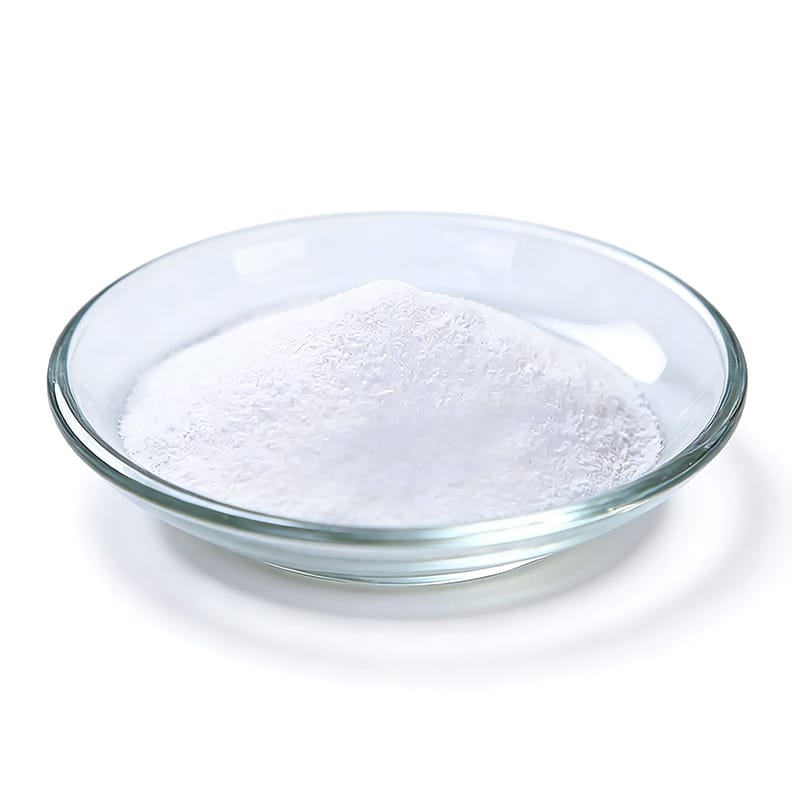
The adhesives pva system is a water-based polymer adhesive widely used in industrial bonding applications. Its performance is governed by polyvinyl acetate emulsion chemistry, molecular chain entanglement, and substrate penetration behavior.
A PVA adhesives strength test evaluates mechanical resistance under controlled stress conditions including tension, shear, and peel forces. These tests simulate real-world mechanical loads encountered in production and structural assembly environments.
Molecular Structure Influence on Adhesives PVA Strength
Polymer Chain Behavior
PVA adhesives rely on long-chain polymer networks that form after water evaporation.
Key Mechanism:
- Polymer particles coalesce into continuous film
- Hydrogen bonding increases internal cohesion
- Mechanical interlocking improves surface adhesion
Crosslinking Enhancement
Industrial-grade adhesives pva often include:
- Crosslinking agents (borate, aldehyde derivatives)
- Plasticizers for flexibility control
- Fillers for viscosity adjustment
Engineering Insight:
Crosslink density directly influences tensile strength and water resistance.
Global Industrial Standards for Adhesives PVA Strength Test
ASTM D905 (Wood Adhesive Shear Test)
Defines shear strength testing for wood-based adhesives under static load conditions.
- Standardized wood block bonding method
- Controlled moisture and temperature conditions
- Failure mode classification system
EN 204 (European Adhesive Classification)
Classifies wood adhesives into durability classes:
| Class | Environment | Application |
|---|---|---|
| D1 | Dry indoor | Furniture interior |
| D2 | Occasional humidity | Interior decoration |
| D3 | Humid environments | Kitchen furniture |
| D4 | Outdoor exposure | Structural wood bonding |
ISO 6238 (Tensile Testing of Adhesives)
Defines standardized tensile testing procedures for bonded joints under controlled strain rates.
Advanced Adhesives PVA Strength Testing Methods
Dynamic Load Fatigue Testing
Simulates repeated stress cycles over time.
Purpose:
- Evaluate long-term durability
- Detect micro-crack formation
- Predict failure lifecycle
Thermal Aging Test
Samples are exposed to elevated temperatures (50–80°C) for extended periods.
Engineering Insight:
Thermal exposure accelerates polymer chain degradation and reduces cohesive strength.
Humidity Resistance Test
- Relative humidity: 85%–95%
- Duration: 72–240 hours
Result:
Adhesives pva may lose 10%–30% shear strength depending on formulation.
Adhesives PVA Performance Expansion Table (Industrial Benchmark Data)
| Property | Standard PVA | Crosslinked PVA | Industrial Grade PVA |
|---|---|---|---|
| Tensile Strength | 6–10 MPa | 8–14 MPa | 10–18 MPa |
| Shear Strength | 8–15 MPa | 12–20 MPa | 15–25 MPa |
| Water Resistance | Low | Medium | High |
| Heat Resistance | ≤60°C | ≤80°C | ≤90°C |
| Industrial Use | Light wood | Furniture | Structural panels |
Failure Mechanism Analysis in Adhesives PVA Strength Test
1. Cohesive Failure (Ideal Condition)
Failure occurs within adhesive layer, indicating strong substrate bonding.
2. Adhesive Failure (Weak Interface)
Occurs when bonding to substrate is insufficient.
Causes:
- Contaminated surface
- Insufficient pressure
- Improper curing time
3. Substrate Failure (Best Performance)
Base material breaks before adhesive fails.
Engineering Meaning:
Bond strength exceeds material strength of substrate.
Industrial Case Studies

Case Study 1: Furniture Manufacturing Plant (Germany)
- Material: Beech wood panels
- Adhesive: Crosslinked PVA system
- Test: ASTM D905 shear strength
Results:
- 18% increase in joint strength
- 22% reduction in assembly failure rate
- 30% improvement in production efficiency
Case Study 2: Packaging Industry Optimization (USA)
- Application: High-speed carton sealing line
- Adhesive: Modified adhesives pva
Results:
- Bond speed increased by 25%
- Material waste reduced by 15%
- Adhesion consistency improved by 40%
Case Study 3: Asian Flooring Panel Production
- Environment: High humidity region
- Solution: Moisture-resistant PVA formulation
Outcome:
- Failure rate reduced by 32%
- Lifecycle durability increased by 2.3x
Manufacturing Process of Adhesives PVA (Industrial Chain)
Step 1: Vinyl Acetate Polymerization
Emulsion polymerization under controlled temperature (50–80°C).
Step 2: Stabilization & Emulsification
Surfactants ensure uniform particle distribution.
Step 3: Additive Integration
- Plasticizers
- Thickening agents
- Crosslinkers
Step 4: Quality Control Testing
- Viscosity measurement
- Solid content analysis (45%–55%)
- pH stability (4.0–6.5 range)
Quality Control Systems in PVA Adhesives Testing
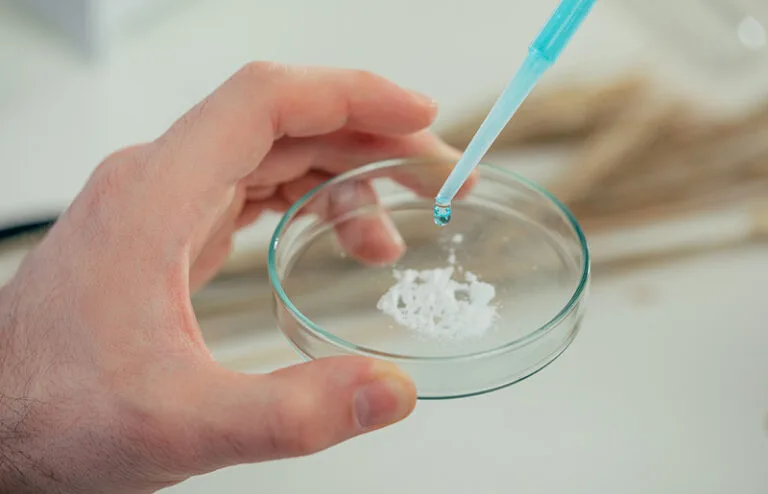
Laboratory Testing Protocols
- Tensile strength validation
- Shear resistance verification
- Thermal aging simulation
Industrial Inline Monitoring
Modern factories use:
- Real-time viscosity sensors
- Automated mixing ratio systems
- AI-based defect detection
Environmental & Sustainability Analysis
VOC Emission Profile
PVA adhesives are water-based and generally low in volatile organic compounds.
- VOC content: <50 g/L (eco-grade formulations)
- Low environmental impact compared to solvent-based adhesives
Recycling Compatibility
- Compatible with wood recycling systems
- Does not significantly contaminate fiber recovery processes
Digital Transformation in Adhesives PVA Testing
AI-Based Strength Prediction
Machine learning models now estimate:
- Bond strength variation
- Cure time optimization
- Failure probability mapping
Smart Manufacturing Systems
- IoT-enabled curing chambers
- Real-time stress monitoring
- Predictive maintenance of adhesive lines
Procurement & Selection Strategy
Step 1: Define Application Environment
- Dry indoor
- Humid indoor
- Outdoor exposure
Step 2: Select Adhesive Grade
- Standard PVA → light-duty
- Crosslinked PVA → industrial furniture
- Modified PVA → humidity resistance
Step 3: Verify Certification
- ASTM compliance
- EN 204 classification
- ISO quality systems
Step 4: Evaluate Total Lifecycle Cost
Focus on:
- Failure rate reduction
- Maintenance cost
- Production efficiency
Final Engineering Conclusion
The adhesives pva system remains one of the most widely used bonding technologies in global manufacturing due to its balance of:
- Cost efficiency
- Mechanical reliability
- Environmental safety
- Process adaptability
From an engineering standpoint, its strength performance is highly dependent on:
- Polymer formulation
- Curing environment
- Substrate compatibility
- Load direction and stress type
Modern advancements in crosslinking chemistry and digital quality control have significantly improved its industrial performance, making PVA adhesives a cornerstone material in woodworking, packaging, and light construction industries worldwide.
FAQ
What is the strongest PVA adhesive formulation?
Crosslinked adhesives pva systems with additives provide the highest shear and tensile strength.
Why does PVA lose strength in humidity?
Water molecules disrupt hydrogen bonding in polymer chains, reducing cohesion.
Can PVA replace epoxy in industrial use?
No, but it is more cost-efficient for non-structural applications.
What is the typical lifespan of PVA bonds?
10–50 years depending on environment and load conditions.
How is PVA strength measured in factories?
Using ASTM and ISO standardized tensile and shear testing machines.