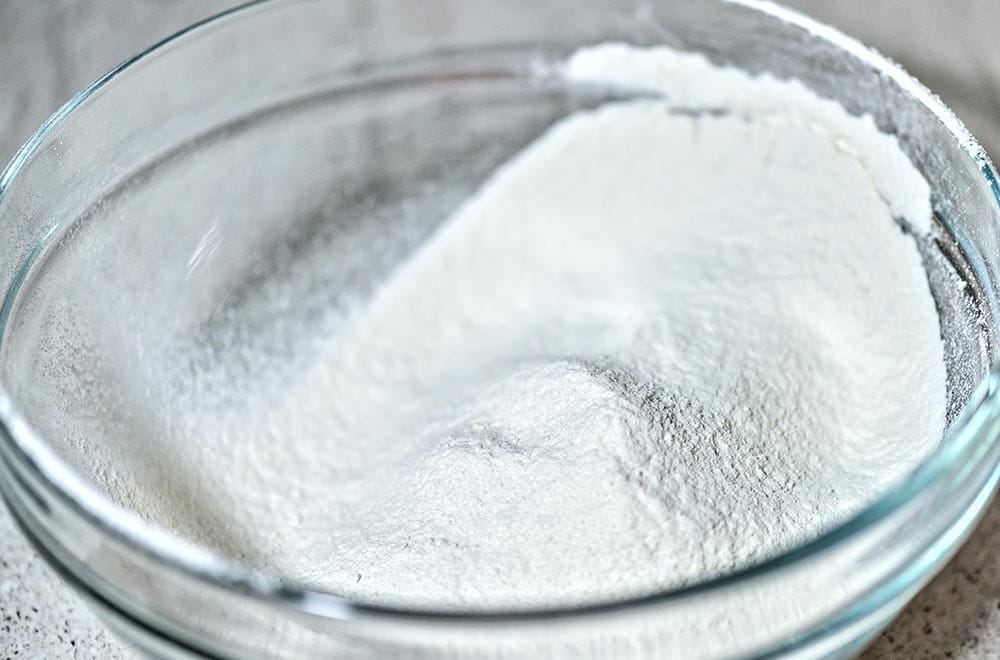
In daily chemical products: HEC is an effective film-forming agent, adhesive, thickener, stabilizer, and dispersant in shampoos, hair sprays, neutralizers, conditioners, and cosmetics; it is also a soil resettling agent in detergent powders. HEC dissolves quickly at high temperatures, accelerating the production process and improving efficiency; a notable characteristic of detergents containing HEC is improved fabric smoothness and silkiness. 5. Paper and ink chemicals: HEC is used as a sizing agent for paper and paperboard, and as a thickener and suspending agent for water-based inks; in the papermaking process, HEC’s superior properties include compatibility with most gums, resins, and inorganic salts, low foaming, low oxygen consumption, and the ability to form a smooth surface film with low surface permeability and strong gloss; paper sized with HEC can be used for high-quality printing.
Cellulose ether products are formed by the reaction of the hydroxyl groups of the glucosinolate units on the cellulose chain with etherified groups. The etherified group of CMC is sodium chloride, while the etherified group of HEC is ethylene oxide.
The degree of polymerization (DOP) of CMC and HEC substructures is generally greater than 600. The degree of substitution (DS) of sodium carboxymethyl cellulose (CMC) is the average number of moles of sodium added to a glucosamine unit, while the degree of substitution (MS) of hydroxyethyl cellulose (HEC) is the average number of moles of ethylene oxide added to a glucosamine unit. By selecting molecular substitutions, reaction conditions, and controlling the uniformity of substitution, CMC or HEC products with different degrees of polymerization and different DS or MS can be obtained.
Currently, CMCs on the market have DS values of 0.7, 0.9, 1.0, and 1.2. CMCs with different DS values generally have the following viscosity specifications: 50000 mPa·s, 30000 mPa·s, and 6500 Pa·s (2% aqueous solution, 25℃, Broofield viscometer), etc.
HEC products, with an MS ratio of 2.5, have common water solubility specifications: 100,000 mPa·s, 50,000 mPa·s, 30,000 mPa·s, 15,000 mPa·s, 6,000 mPa·s, 350 mPa·s, and 15 mPa·s (2% aqueous solution, 25°C, Broofield viscometer).
Application Examples: CMC and HEC are widely used in daily chemical products that require thickening to form stable emulsion systems, such as toothpaste, shower gel, hand soap, skin cream, shampoo, glycerin-based skin lotions, shoe polish, and dishwashing liquid.
Toothpaste: CMC has always been one of the important raw materials in toothpaste manufacturing. Its function is to uniformly mix the liquid and solid raw materials of toothpaste together, giving the toothpaste a flowable consistency, appropriate viscosity, and a certain gloss and smoothness.
Ordinary toothpaste formulations without special functional additives can use CMC as a binder. However, anionic CMCs are sensitive to high concentrations of ions, which reduces their binding properties, limiting their use in high-quality, special-effect toothpastes. Using nonionic HECs as a binder enhances the binder’s resistance to high concentrations of ions, significantly improving the storage stability of the toothpaste and extending its shelf life. Toothpaste manufacturers can combine CMCs and HECs in high-salt toothpastes with minimal change in product cost. The CMCs used in toothpaste have a DS of 0.9–1.0 and a viscosity specification of 6500 mPa·s, while the HECs have a viscosity specification of 6000 mPa·s (2% aqueous solution, 25°C, Broofield viscometer).