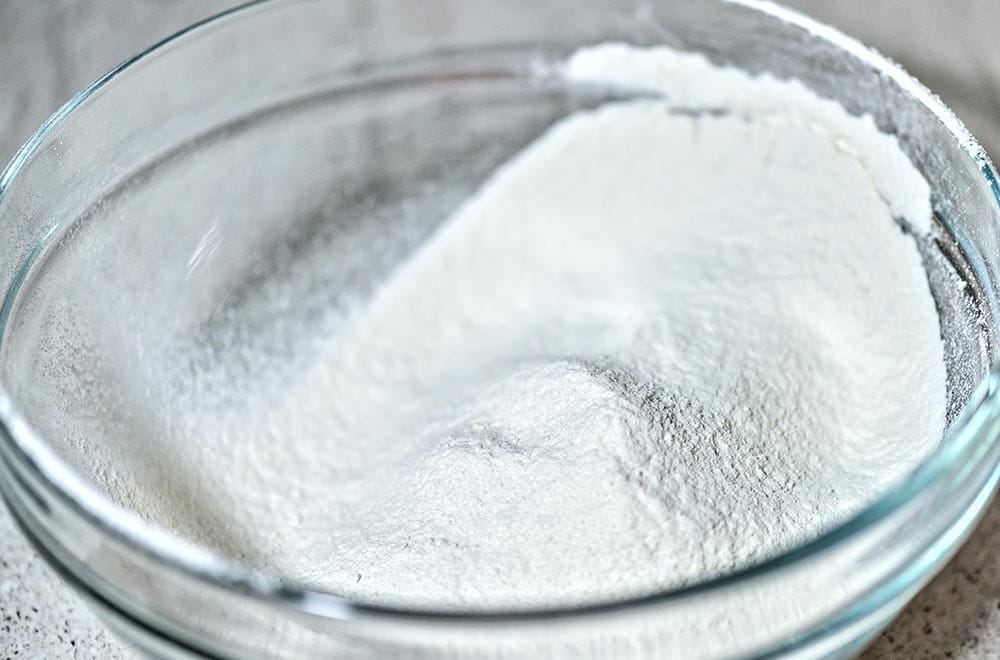
Hydroxypropyl methylcellulose is widely used in building materials and is known as “industrial MSG.” Often referred to as HPMC, it is an odorless, tasteless white powder that dissolves quickly in cold water, forming a transparent, viscous solution.
Hydroxypropyl methylcellulose is widely used in building materials and is known as “industrial MSG.” Often referred to as HPMC, it is an odorless, tasteless white powder that dissolves quickly in cold water, forming a transparent, viscous solution. The main raw material of hydroxypropyl methylcellulose is natural polymer cellulose, which undergoes complex chemical processing to produce a non-ionic cellulose ether with many properties, such as thickening, water retention, dispersion, emulsification, film formation, adhesion, gelation, and adsorption.
Hydroxypropyl methylcellulose is widely used in building materials. Below is a brief introduction to its role in various building materials, for reference only.
1. Advantages and Functions of HPMC in Putty Powder and Water-Resistant Putty
In putty powder, hydroxypropyl methylcellulose (HPMC) mainly acts as a binder, water retention agent, and lubricant. It prevents cracking or powdering caused by rapid water loss from the putty. At the same time, it increases the adhesion of the putty and significantly reduces sagging during application, making construction smoother and more convenient.
2. Advantages and Functions of HPMC in Self-Leveling Materials
The stable viscosity of the cellulose ether ensures that self-leveling materials have good flow properties and self-leveling characteristics. It controls the water retention rate, allowing for rapid solidification and significantly reducing shrinkage and cracking.
3. Advantages and Functions of HPMC in Interface Agents
In interface agents, it is mainly used as a thickening agent, improving shear strength and tensile strength, effectively improving the coating surface, and enhancing the adhesion and bonding strength of the coating.
4. Advantages and Functions of HPMC in Tile Adhesives
Due to its high water retention properties, hydroxypropyl methylcellulose allows for the application of tile adhesives without pre-soaking or wetting the tiles and substrate. It significantly improves bonding strength, provides a longer working time for the mortar, and makes application convenient, uniform, and smooth. It also has good anti-slip properties.
5. Advantages and Functions of HPMC in Grout and Joint Fillers
Adding cellulose ether to grout and joint fillers provides good edge adhesion, high wear resistance, and low shrinkage, thus protecting the base material from mechanical damage and preventing the negative effects of water penetration on the entire building.
6. Functions and Advantages of HPMC in Exterior Wall Insulation Mortar Materials
In exterior wall insulation mortar materials, cellulose ether mainly acts as a binder, increasing strength and making the mortar easier to apply, thus improving work efficiency. It also has anti-sagging properties, improves the anti-shrinkage and anti-cracking performance of the insulation mortar, effectively improves surface quality, and increases bonding strength. The high water retention properties also extend the working time of the mortar.
7. Hydroxypropyl Methylcellulose (HPMC) – Applications and Advantages in Mortar (Plastering and Masonry)
Due to its high water retention properties, hydroxypropyl methylcellulose allows for complete hydration of cement, significantly increasing bond strength. It also moderately improves shear strength and tensile strength, effectively improving construction quality and efficiency.