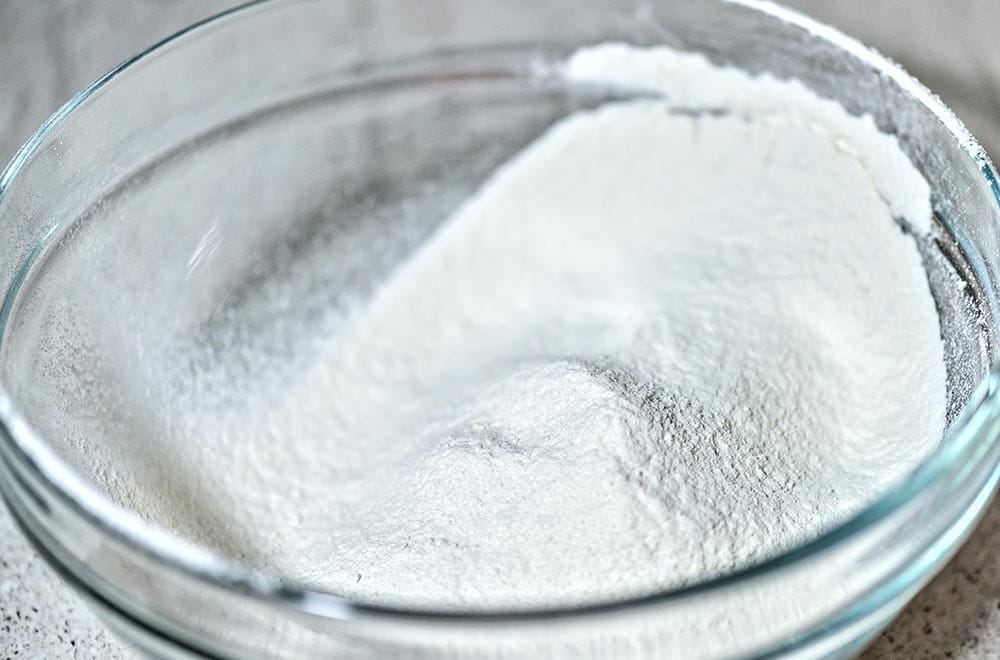
Sodium formate is a widely used chemical raw material with advantages such as buffering, alkalinity adjustment, low toxicity, and certain carbon source characteristics. This article outlines its typical applications in different industries, the technological advantages it brings, and future development trends, helping companies seize opportunities from procurement, production, and compliance stages.
1. Applications in Leather Tanning and Related Processes
As a buffer and neutralizing agent: Used in tanning, pickling, and blending processes to maintain process pH stability, improve the binding efficiency of tanning agents, and enhance leather uniformity.
Improving Process Safety and Environmental Friendliness: Compared to some strong acids or bases, sodium formate systems under acetic or neutral conditions help reduce operational risks and emission pressures.
Production of Related Auxiliary Products: Sodium formate can also be used as a formulation ingredient in tanning additives and post-dyeing treatments to optimize dyeing uniformity and finished product stability.
2. Applications in the Textile, Printing & Dyeing, and Coating Industries
pH Control and Stabilization: Used in printing, dyeing, finishing, and coating processes to maintain a stable acid-base environment, improving dye adsorption, color fixation, and coating adhesion.
As part of a low-irritant buffering system: It helps achieve gentler processing conditions, reducing the risk of damage to fabric fibers.
Combined with green coatings: In low-residue, low-pollution coating systems, sodium formate can serve as a buffer and carbon source auxiliary component, promoting the achievement of green manufacturing goals.
3. Applications in Road De-icing and Public Safety: One low-toxicity de-icing agent option: Used in cold regions to reduce the risk of road icing, it has the potential advantages of lower corrosiveness and environmental impact, and is more environmentally friendly than traditional chloride-based products.
Synergistic effects with other de-icing agents: As a buffer and auxiliary in formulations, it helps regulate de-icing efficiency and surface wettability, improving the consistency of de-icing effects.
4. Applications in Food, Feed, and Bioprocessing: Acidity regulation and preservation strategies: Used as a buffer and component of acidity control in food contact materials, certain food processing, or feed additive systems, subject to relevant regulations and standards.
Fermentation and carbon source positioning: In fermentation processes, it can serve as a carbon source or auxiliary buffer, helping to maintain the pH stability of the culture medium and promoting microbial growth and product formation.
5. Potential Applications in the Metal Processing, Cleaning, and Coating Industries
· Buffering and Complexation in Metal Surface Treatment: Sodium formate can be used to regulate corrosive environments and protect the stability of metal surface fragments during cleaning, pickling, or post-treatment stages.
· Component of Environmentally Friendly Cleaning Systems: As a low-toxicity buffer, it helps achieve greener cleaning processes.
6. Applications in Laboratory, R&D, and Synthetic Chemistry
· Experimental Buffers and Reaction Media: Used as a buffer system in synthesis, separation, purification, and analysis to help maintain stable reaction conditions.
· As a Carbon Source or Auxiliary Reagent: Provides alternative buffer and carbon source options in certain organic synthesis, catalysis, or bioprocesses.
7. Environmental, Regulatory, and Sustainability Considerations
· Compliance and Labelling: Different application areas have specific requirements for the purity, moisture content, and residue of sodium formate. Companies need to pay attention to relevant regulations and industry standards.
· Sustainability and Green Transformation: Combining low-residue, low-pollution formulation design promotes green manufacturing and circular economy goals.
· Safety and Transportation Management: As with other chemical raw materials, key points such as storage, transportation, leakage prevention, and employee training need to be considered.