Table of Contents
The decision behind carbonate content acceptance criteria
A process is sensitive to carbonate despite an acceptable headline assay. Establish a separate carbonate criterion and compare fresh and exposed material. This guide examines sodium hydroxide flakes through that specific decision and the evidence a production team can collect.
In industrial alkali and detergent manufacturing, a strong base supplies alkalinity for controlled industrial reactions and cleaning processes. The first controls to review are assay, carbonate and dissolution heat. Caustic soda is corrosive, reacts with incompatible materials and releases heat during dissolution.
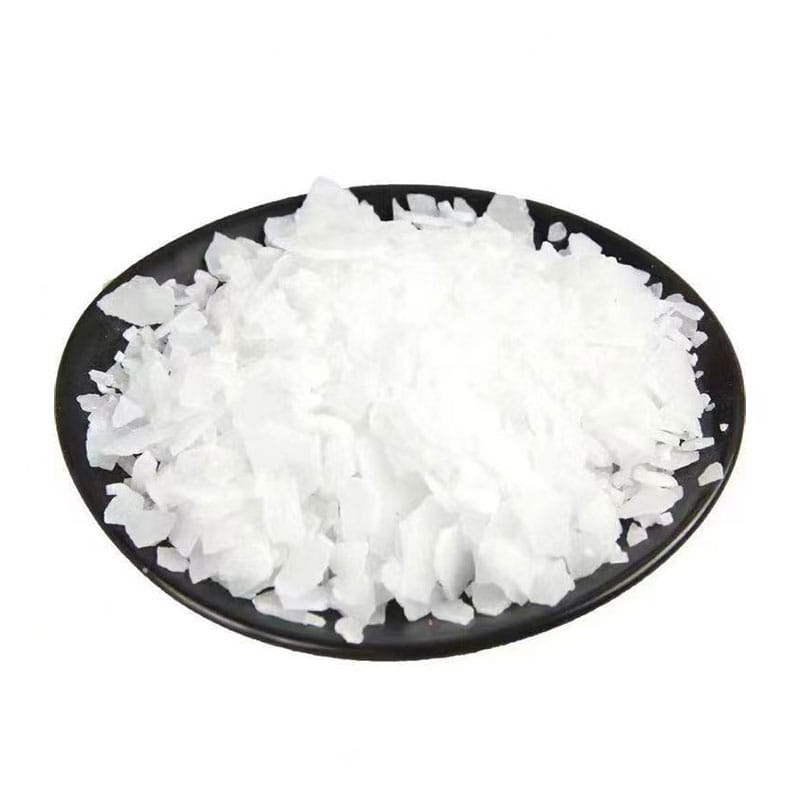
Build an acceptance rule that detects the relevant failure for Caustic Soda Flakes
For sodium hydroxide flakes, the question is carbonate content acceptance criteria. An incoming check should answer whether a shipment can reproduce the approved process result. Select measurements that detect the failure of concern and define their preparation methods. A long list of easy tests is less useful than a small set that connects batch identity, chemical or physical quality and a representative application response.
Sodium hydroxide flakes: dissolution heat and equipment
Dissolving sodium hydroxide releases considerable heat. The NIOSH guide identifies the corrosive hazard and incompatibilities including several metals. The actual preparation procedure requires suitable equipment, temperature control and trained personnel. A purchasing discussion should establish handling capability and current SDS availability without presenting an improvised dissolution recipe.
Choose measurements and comparison conditions
A sodium hydroxide flakes comparison should distinguish identity, process response and the final application result. The table below is a planning framework. It contains no universal numerical acceptance limits; those must come from the approved grade and the receiving plant requirements for carbonate content acceptance criteria.
| Decision factor | Weak comparison | Useful evidence |
|---|---|---|
| Grade and identity | Trade name alone | Grade code, chemical form and current documents |
| Assay | A single unconditioned result | Candidate and reference prepared under the same conditions |
| Carbonate | An unrelated supplier method | Method basis and elapsed conditioning recorded |
| Dissolution heat | Appearance without end-use evidence | Application response paired with the primary measurement |
| Insolubles | One preferred endpoint | Secondary property retained in the decision record |
| Package integrity | A sample without lot history | Traceable commercial-lot and retained-reference comparison |
Sodium hydroxide flakes: plan the comparison for carbonate content acceptance criteria
In this sodium hydroxide flakes review, monitor carbonate. Identify the impurity that can affect the actual application, then request its specification and test method. A headline assay does not describe every contaminant. Compare receiving material with retained reference and, where relevant, equipment-derived contamination.
When investigating carbonate content acceptance criteria, use a traceable sodium hydroxide flakes reference. Connect the analytical result to the actual defect, such as discoloration, residue or process instability. Keep the application preparation fixed. A measurable impurity difference is informative, but it does not by itself prove that the impurity caused the observed finished-product change.
Follow the result through conditioning and use
For sodium hydroxide flakes, the question is carbonate content acceptance criteria. Run the application check that addresses the reason the sodium hydroxide flakes was qualified. Compare it with the retained reference using the same preparation. Preserve raw observations and deviations. If a primary result fails, hold the affected material under the plant disposition procedure while investigating. Do not repeatedly retest until one favorable result appears and discard the earlier evidence.
A sealed moisture-resistant package protects both handling properties and chemical quality. Inspect damaged seams, pallet contact and signs of water ingress. Keep bags away from incompatible substances using the plant storage plan. If flakes form a hard mass, compare the unopened retained material with the exposed bag before assigning the problem to the sodium hydroxide flakes supplier batch.

Interpret the result for carbonate content acceptance criteria
In this sodium hydroxide flakes review, monitor package integrity. Review results against agreed limits and the demonstrated variability of the sodium hydroxide flakes method. Keep typical supplier figures distinct from acceptance limits. Where a value is borderline, the responsible quality team should use the documented decision rule. A visible defect, a missing document and an analytical failure require different follow-up, so identify the actual reason for any hold.
Set acceptance around the end-use specification and current grade documents. A high nominal purity does not establish battery, analytical or other specialty-grade suitability. Approve the relevant impurity controls explicitly rather than relying on a broad product application list.
Keep the Caustic Soda Flakes calculation basis explicit
When investigating carbonate content acceptance criteria, use a traceable sodium hydroxide flakes reference. Preserve units and analytical basis. A mass fraction expressed on a dry basis cannot be compared directly with an as-received result without the relevant conversion data. Missing impurity information must remain missing rather than being recorded as zero.
Check the next technical constraint
The required alkali addition depends on the actual process demand and the measured material concentration. A pH reading alone does not quantify the mass of reactive base remaining in every system. Use the plant analytical procedure and verify the sampling point. A sample collected before complete mixing can produce a misleading endpoint and lead to overcorrection.
Turn the result into a purchasing and release record
When investigating carbonate content acceptance criteria, use a traceable sodium hydroxide flakes reference. Release records should link the actual batch to the selected grade, method and application reference. Preserve a retained sample according to the sodium hydroxide flakes requirements. If the shipment is accepted after an agreed concession, record that concession explicitly. The next purchase should use the normal specification unless the technical team deliberately approves a permanent change.
For a sodium hydroxide flakes inquiry, send the supplier the application, the question about carbonate content acceptance criteria, your preparation method and the relevant acceptance endpoints. Request the current grade code, technical data sheet, SDS and batch certificate. Ask whether a proposed sample is representative of the commercial material. Do not interpret a sample result as proof of every future shipment or as an unrelated certification.
For independent background, consult NIOSH chemical hazard reference. Use this reference for general context; the supplied grade still needs its own current technical and application documents.
Review Haofang’s Caustic Soda Flakes product page and industrial application overview. To discuss carbonate content acceptance criteria, send your sodium hydroxide flakes specification, reference method, intended order quantity and delivery destination through the inquiry form.
Frequently asked questions about Caustic Soda Flakes
What should be checked first for carbonate content acceptance criteria?
Start with the sodium hydroxide flakes grade identity and the exact condition that produced the question. A process is sensitive to carbonate despite an acceptable headline assay. Establish a separate carbonate criterion and compare fresh and exposed material. Keep a retained reference and use comparable preparation so the first result can distinguish a material difference from a change in the process.
Is one sodium hydroxide flakes measurement enough to choose a grade?
No. Compare assay, carbonate and the relevant end-use result. Caustic soda is corrosive, reacts with incompatible materials and releases heat during dissolution. A successful candidate needs a method that production and receiving quality can reproduce, rather than a favorable isolated reading with an unknown preparation history.
How should sodium hydroxide flakes samples be compared fairly?
Use representative samples with traceable lot identity and the same defined test environment. For carbonate content acceptance criteria, document the observation interval and the basis of comparison. If the candidates require different preparation, report that difference explicitly and separate a fixed-formula screen from an adjusted application trial.
What documents should a sodium hydroxide flakes supplier provide?
Request the current grade code, technical data sheet, SDS, a representative certificate of analysis and the relevant test method. State the intended industrial alkali and detergent manufacturing use. Chemical identity and a general application list do not establish a specialty-grade approval or guarantee the result of your finished formulation.
Can a trial result become a universal sodium hydroxide flakes dosage recommendation?
No. The useful conclusion applies to the tested grade and conditions. Release records should link the actual batch to the selected grade, method and application reference. Preserve a retained sample according to the material requirements. If the shipment is accepted after an agreed concession, record that concession explicitly. The next purchase should use the normal specification unless the technical team deliberately approves a permanent change. For the specific question of carbonate content acceptance criteria, retain the application acceptance criteria and ask the responsible technical team to approve any broader process change.