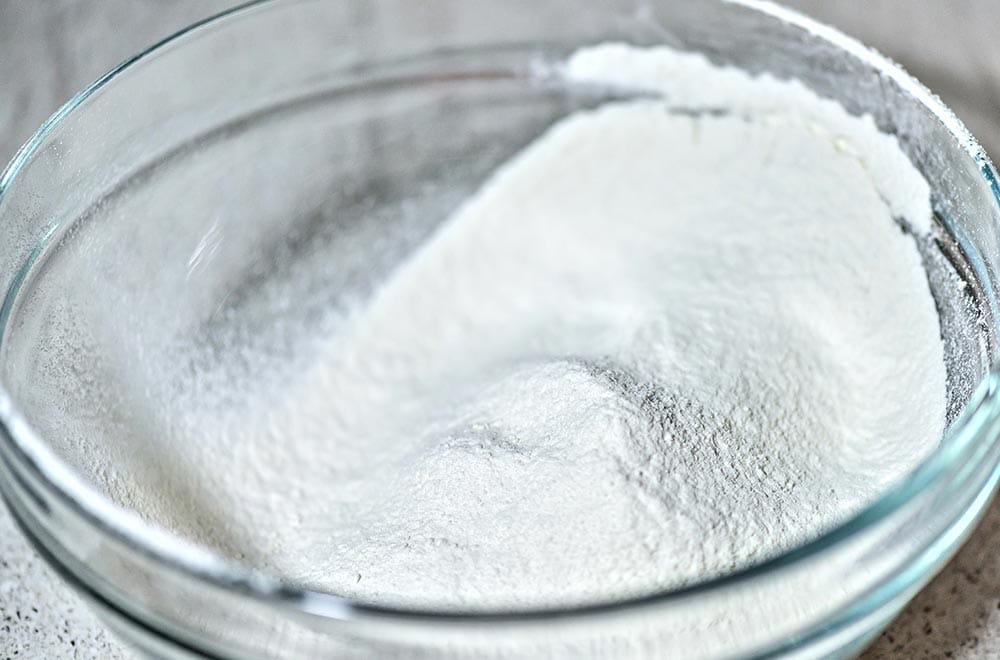
Table of Contents
The decision behind powder wetting and dust control
Floating powder and foam slow production. Evaluate feed rate, wetting and plant exposure controls with the actual SLS powder grade. This guide examines sodium lauryl sulfate through that specific decision and the evidence a production team can collect.
In powder and liquid cleansing systems, an anionic alkyl sulfate lowers interfacial tension and supports wetting and foam formation. The first controls to review are active content, powder flow and dissolution. SLS for industrial formulation is not a laboratory SDS-PAGE specification or a finished cosmetic safety assessment.

Locate the process step that creates variation for SLS
For sodium lauryl sulfate, the question is powder wetting and dust control. A mixing or handling problem should be traced through the sequence of operations. Record where the sodium lauryl sulfate first departs from the expected condition: receiving, feeding, wetting, circulation, conditioning or transfer. That location narrows the investigation and prevents changes to the raw-material specification from masking an equipment or preparation issue.
Sodium lauryl sulfate: powder identity and active basis
Sodium lauryl sulfate is also called sodium dodecyl sulfate, but grades sold for different industries can have different specifications. Match the sodium lauryl sulfate grade to the intended detergent process. Read active content together with moisture and non-active salts. A product name on its own cannot establish suitability for analytical or electrophoresis work.
Choose measurements and comparison conditions
A sodium lauryl sulfate comparison should distinguish identity, process response and the final application result. The table below is a planning framework. It contains no universal numerical acceptance limits; those must come from the approved grade and the receiving plant requirements for powder wetting and dust control.
| Decision factor | Weak comparison | Useful evidence |
|---|---|---|
| Grade and identity | Trade name alone | Grade code, chemical form and current documents |
| Active content | A single unconditioned result | Candidate and reference prepared under the same conditions |
| Powder flow | An unrelated supplier method | Method basis and elapsed conditioning recorded |
| Dissolution | Appearance without end-use evidence | Application response paired with the primary measurement |
| Foam | One preferred endpoint | Secondary property retained in the decision record |
| Electrolyte compatibility | A sample without lot history | Traceable commercial-lot and retained-reference comparison |
Sodium lauryl sulfate: plan the comparison for powder wetting and dust control
In this sodium lauryl sulfate review, monitor powder flow. Observe powder feeding, initial wetting and the later hydration stage independently. Examine whether dry material floats, forms surface skins or remains inside swollen particles. Compare the sodium lauryl sulfate supplier recommended preparation with the actual production order and circulation pattern.
When investigating powder wetting and dust control, use a traceable sodium lauryl sulfate reference. Take observations at the same elapsed times and screen for soft residue after conditioning. Check whether the residue contains an undispersed core. A viscosity reading alone can overlook particles that later block equipment or leave visible defects.
Follow the result through conditioning and use
For sodium lauryl sulfate, the question is powder wetting and dust control. Check the material after the next operation, not only at mixer discharge. Screens, pumps, holding vessels and packing can reveal defects that were invisible during mixing. Record residue, accumulation, uneven flow or changes after rest. Compare the laboratory and production histories explicitly because similar mixing times do not imply similar circulation or shear.
A rich foam can be desirable for consumer experience but should be evaluated alongside actual soil removal. Use the same mechanical action and soil challenge for the candidate and control. Separate initial foam from persistence under contamination. The plant should define which endpoint matters to its finished product instead of treating every foam increase as an improvement.
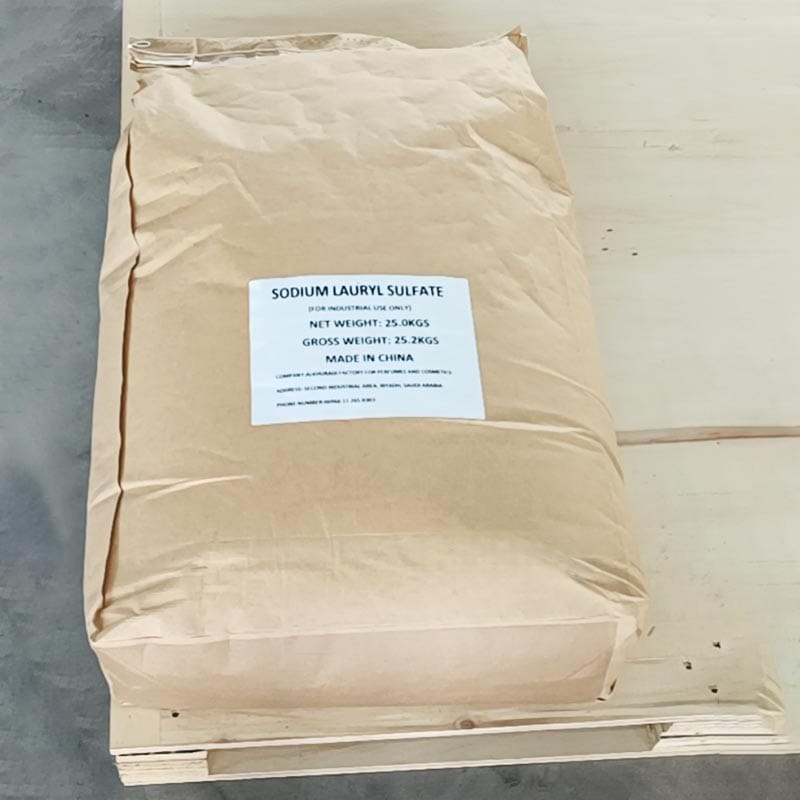
Interpret the result for powder wetting and dust control
In this sodium lauryl sulfate review, monitor electrolyte compatibility. Choose a correction that can be monitored during routine production. A longer cycle may resolve the immediate sample while reducing throughput; higher shear may introduce air or damage the useful structure. Measure the relevant consequence before setting the new procedure. Any change to corrosive-chemical preparation must remain within the engineered plant controls and the current SDS.
An effective correction reduces the persistent residue and gives reproducible development within the available cycle. Increasing speed is not automatically the answer if the extra shear introduces air. Validate the final sequence at the downstream screen or application that originally revealed the problem.
Keep the SLS calculation basis explicit
When investigating powder wetting and dust control, use a traceable sodium lauryl sulfate reference. Express screened residue as collected dry residue divided by the original dry sample mass when the selected procedure supports that calculation. State screen opening and conditioning time. This is a method definition, not a universal acceptable residue percentage.
Check the next technical constraint
Powder flow can deteriorate with exposure or damaged packaging. Record bag closure and hopper residence time. Compare the moisture and flow of a retained unopened sample with material from the production feeder. A dispensing problem can cause inconsistent active addition even when the supplier assay remains within the agreed range.
Turn the result into a purchasing and release record
When investigating powder wetting and dust control, use a traceable sodium lauryl sulfate reference. Document the preparation sequence with its observable checkpoints and acceptable endpoint. Link the method to the selected material grade and equipment. Retain the reference batch record so an operator can distinguish a new raw-material issue from a return of the earlier process fault. Validate the correction through the downstream step that originally exposed the problem.
For a sodium lauryl sulfate inquiry, send the supplier the application, the question about powder wetting and dust control, your preparation method and the relevant acceptance endpoints. Request the current grade code, technical data sheet, SDS and batch certificate. Ask whether a proposed sample is representative of the commercial material. Do not interpret a sample result as proof of every future shipment or as an unrelated certification.
For independent background, consult related material chemistry background on Wikipedia. Use this reference for general context; the supplied grade still needs its own current technical and application documents.
Review Haofang’s SLS product page and industrial application overview. To discuss powder wetting and dust control, send your sodium lauryl sulfate specification, reference method, intended order quantity and delivery destination through the inquiry form.
Frequently asked questions about SLS
What should be checked first for powder wetting and dust control?
Start with the sodium lauryl sulfate grade identity and the exact condition that produced the question. Floating powder and foam slow production. Evaluate feed rate, wetting and plant exposure controls with the actual SLS powder grade. Keep a retained reference and use comparable preparation so the first result can distinguish a material difference from a change in the process.
Is one sodium lauryl sulfate measurement enough to choose a grade?
No. Compare active content, powder flow and the relevant end-use result. SLS for industrial formulation is not a laboratory SDS-PAGE specification or a finished cosmetic safety assessment. A successful candidate needs a method that production and receiving quality can reproduce, rather than a favorable isolated reading with an unknown preparation history.
How should sodium lauryl sulfate samples be compared fairly?
Use representative samples with traceable lot identity and the same defined test environment. For powder wetting and dust control, document the observation interval and the basis of comparison. If the candidates require different preparation, report that difference explicitly and separate a fixed-formula screen from an adjusted application trial.
What documents should a sodium lauryl sulfate supplier provide?
Request the current grade code, technical data sheet, SDS, a representative certificate of analysis and the relevant test method. State the intended powder and liquid cleansing systems use. Chemical identity and a general application list do not establish a specialty-grade approval or guarantee the result of your finished formulation.
Can a trial result become a universal sodium lauryl sulfate dosage recommendation?
No. The useful conclusion applies to the tested grade and conditions. Document the preparation sequence with its observable checkpoints and acceptable endpoint. Link the method to the selected material grade and equipment. Retain the reference batch record so an operator can distinguish a new raw-material issue from a return of the earlier process fault. Validate the correction through the downstream step that originally exposed the problem. For the specific question of powder wetting and dust control, retain the application acceptance criteria and ask the responsible technical team to approve any broader process change.