Table of Contents
The decision behind latex paint sag and leveling balance
The paint resists sag but leaves brush marks. Test the low-shear structure separately from application flow and keep the binder and pigment grind fixed. This guide examines hydroxyethyl cellulose through that specific decision and the evidence a production team can collect.
In water-based architectural coating, hydrated nonionic cellulose increases aqueous-phase viscosity and supports suspension. The first controls to review are low shear viscosity, brush drag and leveling. The viscosity of a simple HEC solution is not a complete coating rheology profile.

Translate the end-use requirement into a material decision for HEC
For hydroxyethyl cellulose, the question is latex paint sag and leveling balance. Start from the operation the finished material must perform. Identify the substrate or process feed, the point at which the operator notices a problem and the final quality criterion. That sequence separates an ingredient property from a production outcome. It also prevents a purchasing specification from growing around an easy measurement that has only a weak relationship to the required result.
Hydroxyethyl cellulose: dispersion before hydration
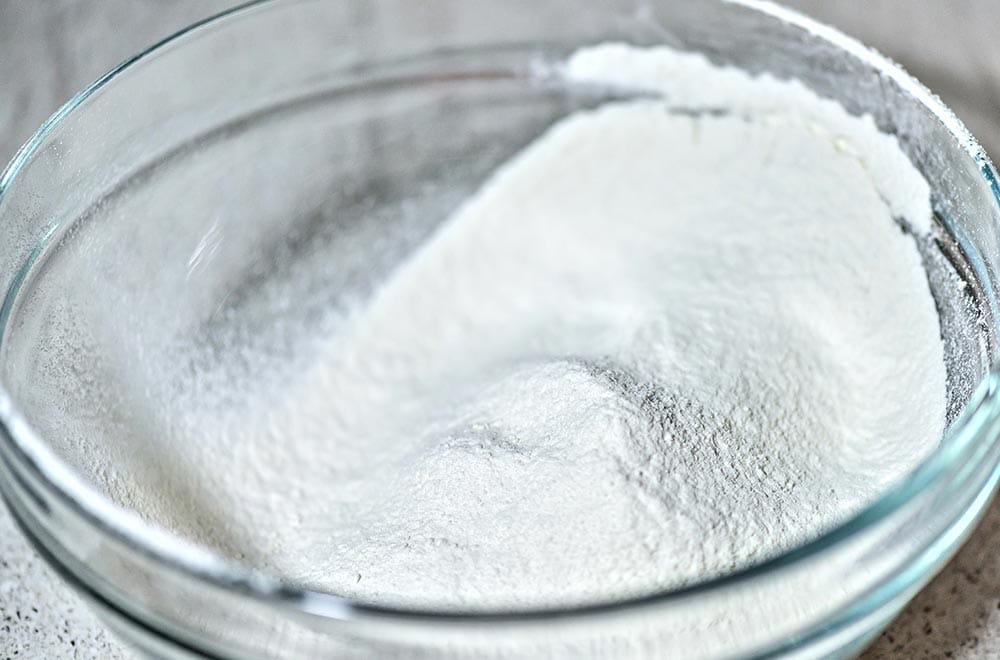
HEC particles need separation in the water phase before substantial swelling locks them into lumps. Surface-treated grades may delay hydration, while untreated material can thicken quickly. Follow the hydroxyethyl cellulose supplier instructions on pH and order of addition. Confirm the result by checking for undissolved material after the defined hydration period. Raising mixer speed after lumps have formed can introduce air without removing their dry cores.
Choose measurements and comparison conditions
A hydroxyethyl cellulose comparison should distinguish identity, process response and the final application result. The table below is a planning framework. It contains no universal numerical acceptance limits; those must come from the approved grade and the receiving plant requirements for latex paint sag and leveling balance.
| Decision factor | Weak comparison | Useful evidence |
|---|---|---|
| Grade and identity | Trade name alone | Grade code, chemical form and current documents |
| Low shear viscosity | A single unconditioned result | Candidate and reference prepared under the same conditions |
| Brush drag | An unrelated supplier method | Method basis and elapsed conditioning recorded |
| Leveling | Appearance without end-use evidence | Application response paired with the primary measurement |
| Sag | One preferred endpoint | Secondary property retained in the decision record |
| Storage stability | A sample without lot history | Traceable commercial-lot and retained-reference comparison |
Hydroxyethyl cellulose: plan the comparison for latex paint sag and leveling balance
In this hydroxyethyl cellulose review, monitor brush drag. Use a defined spreading or finishing task on the same substrate with the same tool. Compare drag, ridge formation and the surface after the operation. Keep layer thickness consistent so an easier result is not simply a thinner application.
When investigating latex paint sag and leveling balance, use a traceable hydroxyethyl cellulose reference. Follow the finish after drying or curing. Record sanding behavior, surface defects or retained tool marks as relevant. A pleasant wet feel can conceal a poor final surface, while excessive water used to reduce drag can alter drying and strength.
Follow the result through conditioning and use
For hydroxyethyl cellulose, the question is latex paint sag and leveling balance. Follow the hydroxyethyl cellulose through the point that creates value for the customer. Assess the dried film, cured mortar, treated liquid or processed substrate as appropriate. Record defects as well as average performance. Where an operator judgment matters, use the same task and a consistent evaluation procedure. Combine that observation with measurable endpoints so the decision can be repeated after commercial delivery.
A paint needs enough low-shear structure to resist settling, yet must move under brushing or rolling. One viscosity reading cannot describe both requirements. Compare storage behavior, sag and application drag using a defined test sequence. If a second rheology modifier is present, keep its identity and level constant. Interpret a thicker resting sample in the context of leveling and film appearance.

Interpret the result for latex paint sag and leveling balance
In this hydroxyethyl cellulose review, monitor storage stability. Review the whole application window. Initial handling, usable time and final performance may move in different directions. A candidate should fit the operation without requiring uncontrolled adjustments by the line team. If a promising result depends on a narrow preparation condition, document that dependence and test whether the production equipment can reliably maintain it.
Choose the balance that operators can reproduce without extra uncontrolled water. If resting structure is good but spreading is poor, review the rheology package and filler distribution. The selected grade should fit the actual task rather than only a beaker consistency target.
Keep the HEC calculation basis explicit
When investigating latex paint sag and leveling balance, use a traceable hydroxyethyl cellulose reference. Where coverage is recorded, use the actual mass applied over a measured area and state the layer condition. Compare finished quality at equivalent coverage. Do not convert an operator preference into an unsupported percentage improvement in productivity.
Check the next technical constraint
Solution concentration, water quality, temperature and elapsed hydration time affect viscosity results. A certificate should name the procedure used, and the receiving laboratory should reproduce it. If supplier and buyer results disagree, exchange preparation records and a retained sample before arguing about the nominal number. A method mismatch is a different problem from an off-specification batch.
Turn the result into a purchasing and release record
When investigating latex paint sag and leveling balance, use a traceable hydroxyethyl cellulose reference. Convert the trial into a concise operating specification that names the selected hydroxyethyl cellulose grade, its preparation and the relevant end-use checks. Keep the hydroxyethyl cellulose supplier technical sheet with the approved trial record. The end-use result, rather than the attractiveness of an isolated ingredient measurement, should justify the commercial selection.
For a hydroxyethyl cellulose inquiry, send the hydroxyethyl cellulose supplier the application, the question about latex paint sag and leveling balance, your preparation method and the relevant acceptance endpoints. Request the current grade code, technical data sheet, SDS and batch certificate. Ask whether a proposed sample is representative of the commercial material. Do not interpret a sample result as proof of every future shipment or as an unrelated certification.
For independent background, consult related material chemistry background on Wikipedia. Use this reference for general context; the supplied grade still needs its own current technical and application documents.
Review Haofang’s HEC product page and industrial application overview. To discuss latex paint sag and leveling balance, send your hydroxyethyl cellulose specification, reference method, intended order quantity and delivery destination through the inquiry form.
Frequently asked questions about HEC
What should be checked first for latex paint sag and leveling balance?
Start with the hydroxyethyl cellulose grade identity and the exact condition that produced the question. The paint resists sag but leaves brush marks. Test the low-shear structure separately from application flow and keep the binder and pigment grind fixed. Keep a retained reference and use comparable preparation so the first result can distinguish a material difference from a change in the process.
Is one hydroxyethyl cellulose measurement enough to choose a grade?
No. Compare low shear viscosity, brush drag and the relevant end-use result. The viscosity of a simple HEC solution is not a complete coating rheology profile. A successful candidate needs a method that production and receiving quality can reproduce, rather than a favorable isolated reading with an unknown preparation history.
How should hydroxyethyl cellulose samples be compared fairly?
Use representative samples with traceable lot identity and the same defined test environment. For latex paint sag and leveling balance, document the observation interval and the basis of comparison. If the candidates require different preparation, report that difference explicitly and separate a fixed-formula screen from an adjusted application trial.
What documents should a hydroxyethyl cellulose supplier provide?
Request the current grade code, technical data sheet, SDS, a representative certificate of analysis and the relevant test method. State the intended water-based architectural coating use. Chemical identity and a general application list do not establish a specialty-grade approval or guarantee the result of your finished formulation.
Can a trial result become a universal hydroxyethyl cellulose dosage recommendation?
No. The useful conclusion applies to the tested grade and conditions. Convert the trial into a concise operating specification that names the selected grade, its preparation and the relevant end-use checks. Keep the supplier technical sheet with the approved trial record. The end-use result, rather than the attractiveness of an isolated ingredient measurement, should justify the commercial selection. For the specific question of latex paint sag and leveling balance, retain the application acceptance criteria and ask the responsible technical team to approve any broader process change.